


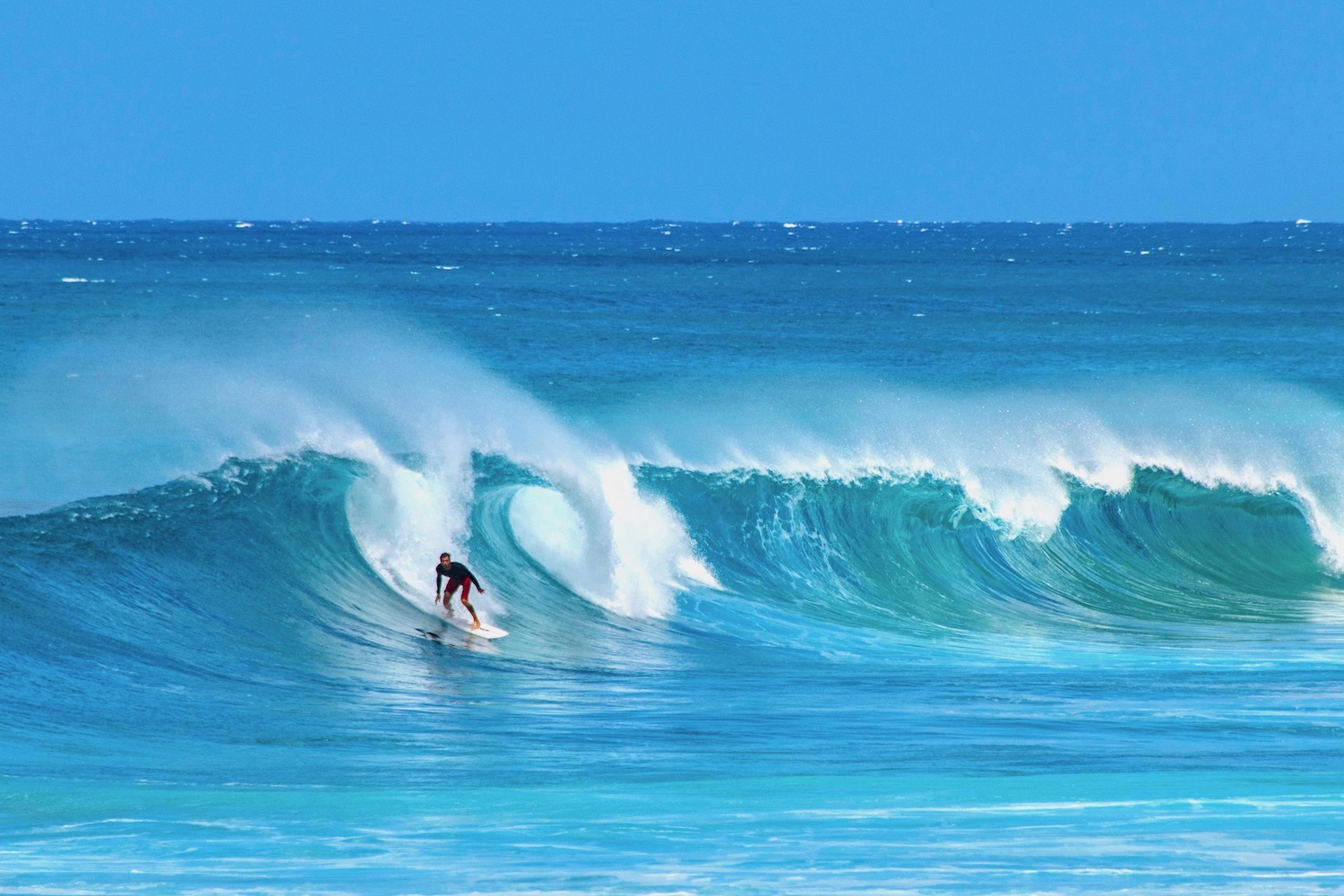
I was supposed to visit Hawaii for the first time in 1999, with my family. After arriving via nonstop first class flights from our home in St. Louis—my father had a massive stash of TWA frequent flyer miles—we’d make our way to the iconic Outrigger Hotel on Waikiki Beach and…well, we never planned past that point, thanks to an untimely divorce.
I did eventually make it to Hawaii—I wouldn’t be writing this if I hadn’t. By that time, of course, I myself was the same age my mother had been at the time of our doomed first trip, and I was taking her there. Which was ironic, come to think of it, given that she initiated the divorce that doomed our first trip. But that’s a conversation for my therapist, not for you.
Indeed, you shouldn’t worry: The bulk of this Hawaii travel guide will focus on the thing you can see, do and taste there, and not the less savory details of my biography.
Where to Stay in Hawaii
It won’t come as a surprise that many Hawaii hotels are on touristic islands like Oahu and Maui, and in popular spots there such as Waikiki Beach and Ka’anapali Beach, respectively. However, you’d be unwise to consider only these spots, unless you’re dead-set on staying at a big-box hotel or resort, or have a large stash of points that would influence your decision to want to do so.
For starters, many hotels throughout Hawaii were built during the state’s 70s and 80s heyday; few have been sufficiently updated since then. The result is that you often have to pay Hawaii’s famously high prices for an accommodation that feels anything but premium. As a result, Hawaii is one place where I usually go against my own stated distaste for vacation rental sites like Airbnb and VRBO; you simply get a better bang for your buck with vacation homes, as compared to hotels.

Which Hawaiian Islands Should You Visit?
Oahu
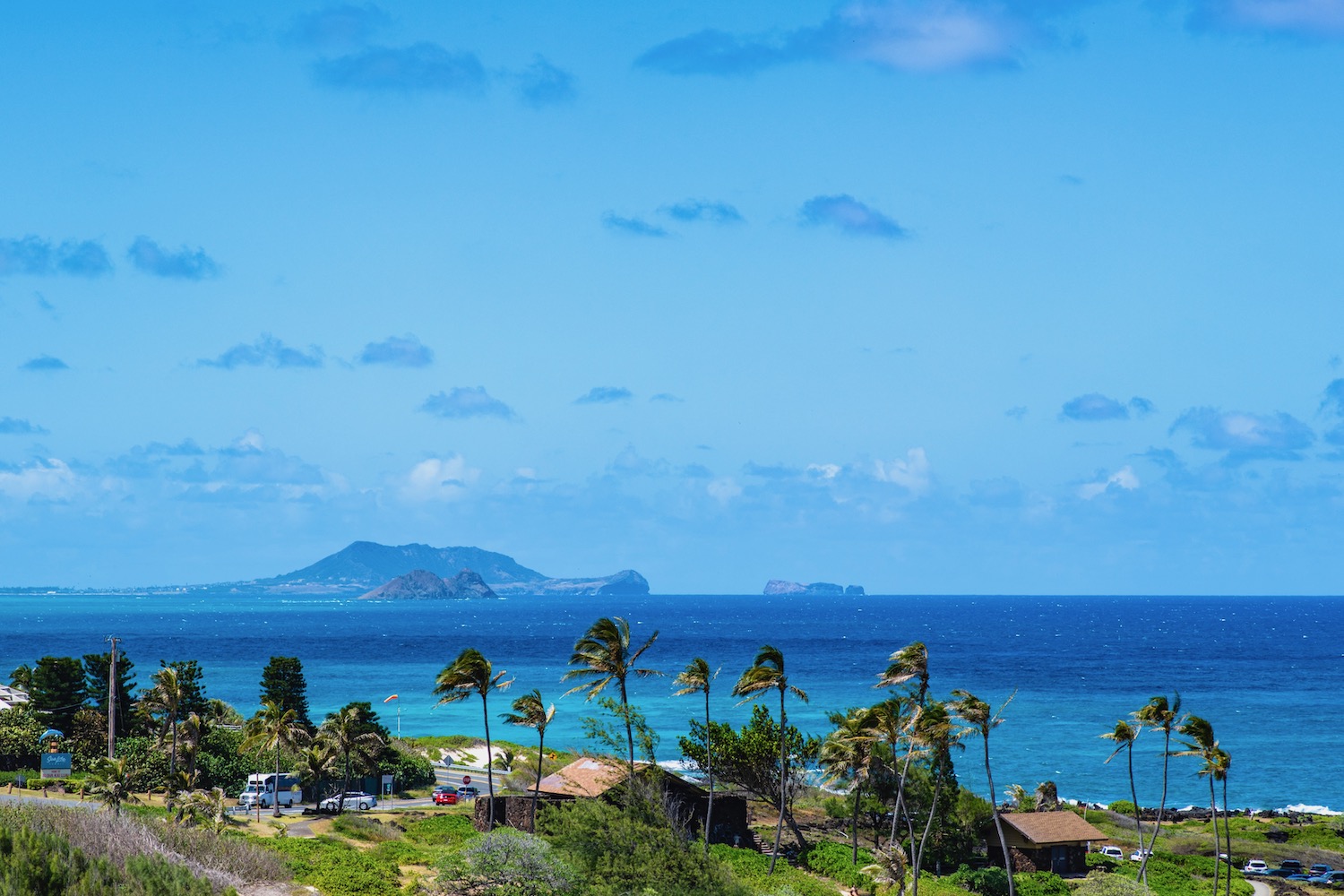
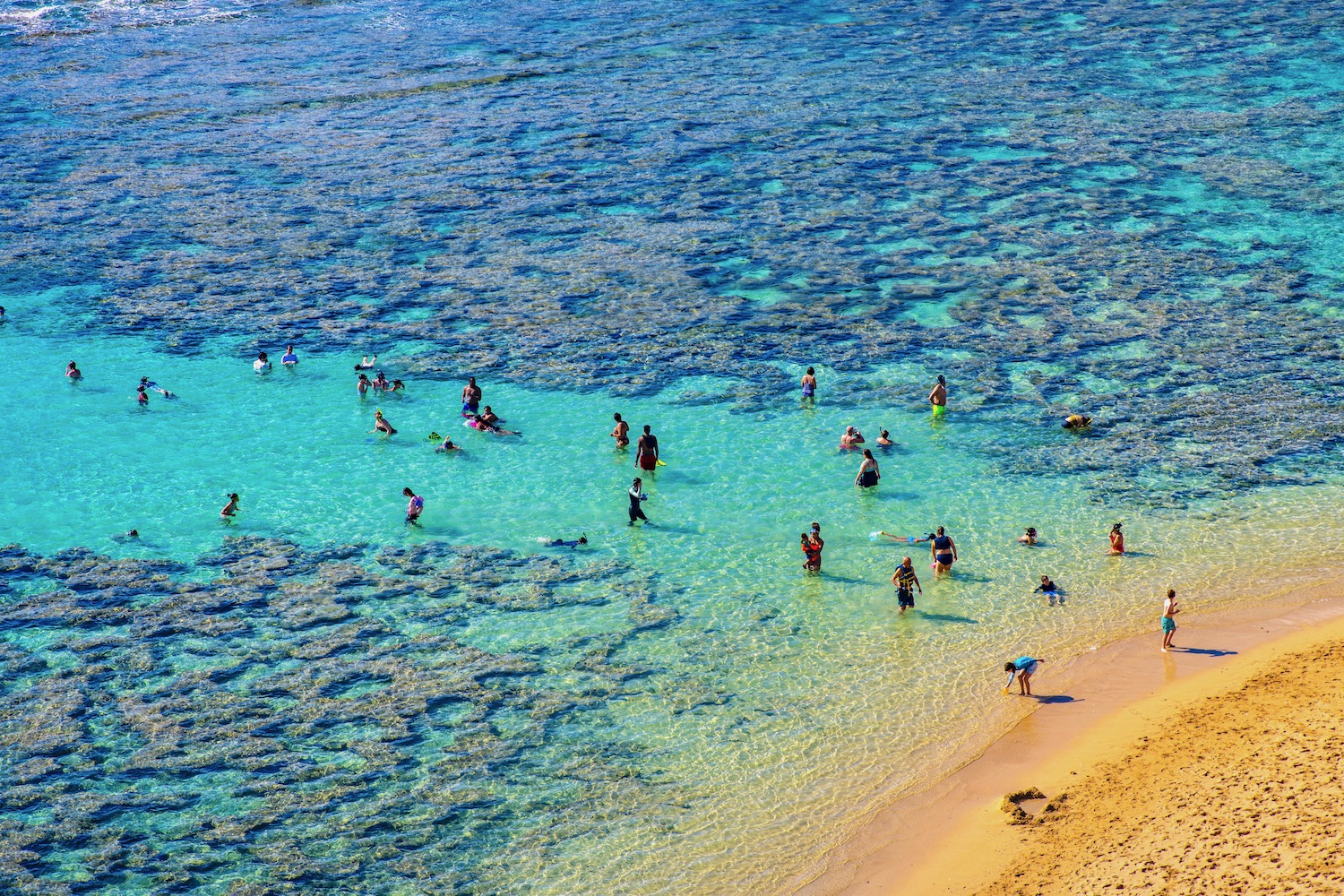
For many travelers, the island of Oahu is interchangeable with the state of Hawaii, which makes sense. Oahu, after all, is home to Hawaii’s largest city (Honolulu), iconic sites like Waikiki Beach and Diamond Head, as well as the storied North Shore and its surf culture. It’s also where you’ll find the state’s busiest airport by far; your trip will likely begin or end here, even if it ends up taking you other places.
Maui
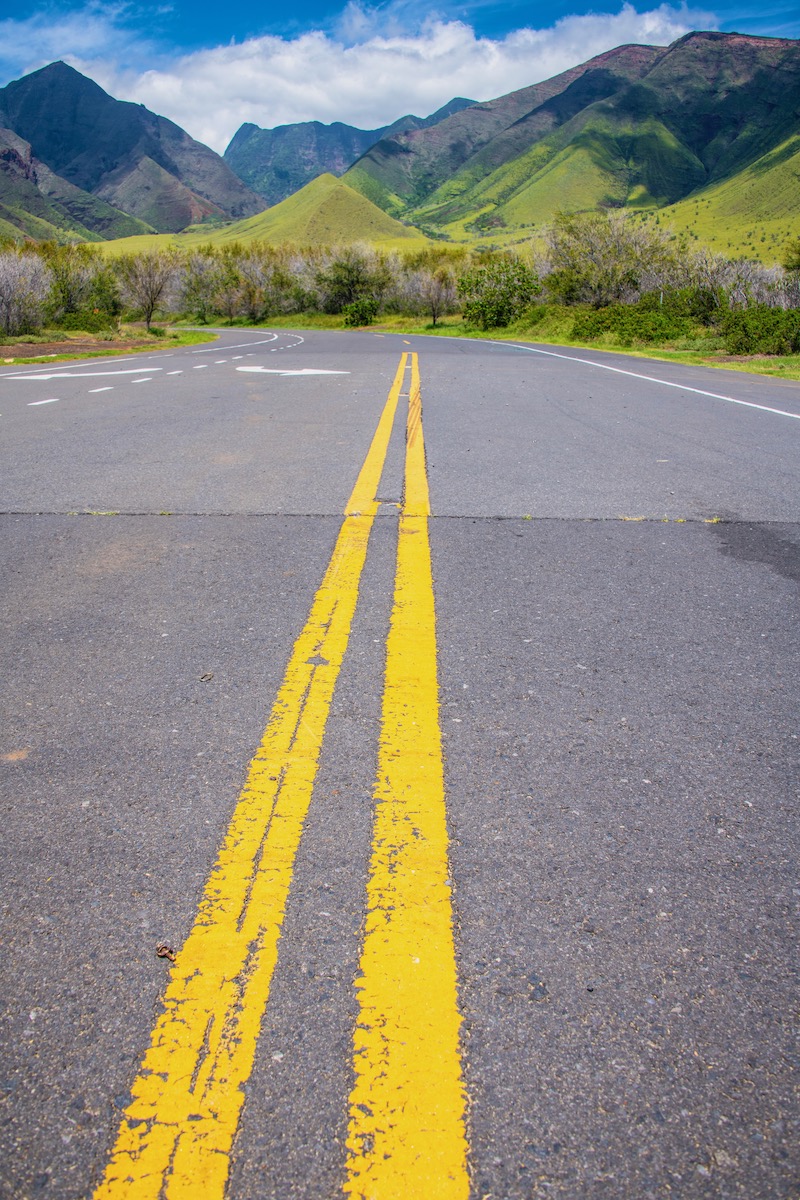
Maui is usually the second place on most every Hawaii itinerary—though, as you’ll know if you’ve read my post on the island, I’m not the biggest fan of it. On one hand, there are certainly worthwhile attractions in both West Maui and East Maui, with my personal favorites between being the town of Lahaina (at least before the 2023 fires) and the Road to Hana, respectively. Still, I find locals on Maui to be unfriendly and even hostile, which has always spoiled my experinece.
The Big Island
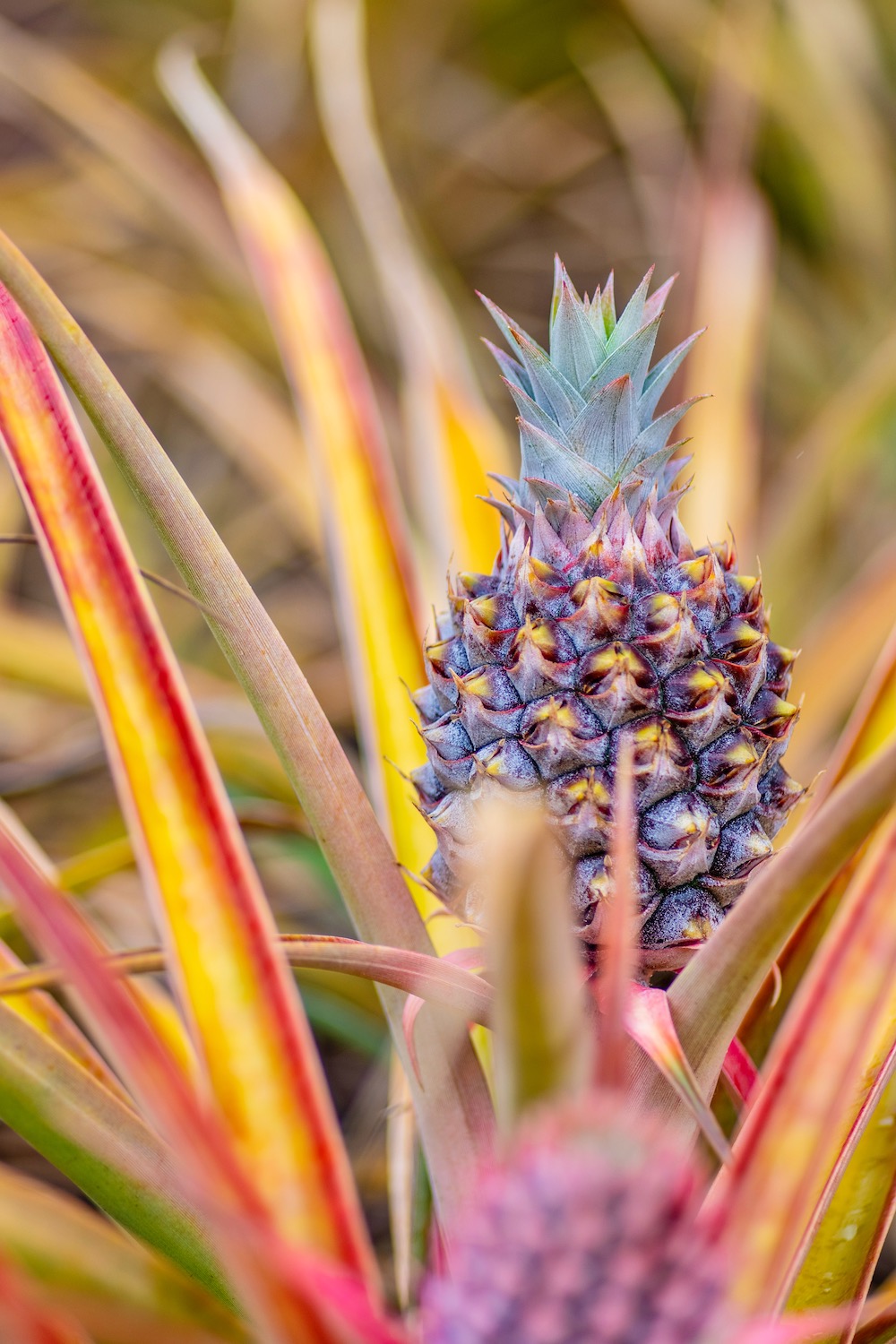
Perhaps confusingly, the largest and easternmost of the Hawaiian islands is also named Hawaii; this leads many travelers and locals alike simply to call it The Big Island. Although more rural and less developed than Oahu or Maui, the Big Island is in many way the most Hawaiian of the islands, whether you’re sipping java at Kona‘s coffee farms, watching lava spew upward from Kīlauea or scale Mauna Kea to watch sunrise or sunset, or even to see Hawaii’s only snow.
Kauai
Kauai is weird in that in spite of its modest size and low population, it’s home to some of the most popular things to do in Hawaii. In particular, the Nāpali Coast might just be Hawaii’s most famous coastline, having been made famous in the Jurassic Park franchise. In particular, seeing Kauai’s coast from a helicopter is a one-in-a-lifetime experience, though one that comes at a steep cost.
Other Hawaiian islands
Most travelers never make it far beyond the four islands I’ve mentioned above. Seeing all of them will take a couple of weeks, at minimum, which tends to tap out people’s budgets. On the other hand, some secondary and tertiary islands are easy to visit: You can take a day trip from Maui to smaller Molokai or Lānaʻi; Ni’ihau is likewise technically accessible from Kauai, though access is highly controlled, which makes sense: Its name transfer to “Forbidden Island.”
Is Hawaii Overrated?
I’d visited virtually all of Southeast Asia and dozens of cities along the Mediterranean by the time I set foot in Hawaii. By contrast, for many Americans, Hawaii is their first experience to beaches that are “tropical” to an otherworldly degree. I don’t point this out to be snobbish, but rather for perspective. It simply takes a lot to impress me these days; while Hawaii is undoubtedly beautiful, most of it isn’t really what I would call “impressive.”
Now with this being said, there’s plenty in this Hawaii itinerary (and in the islands as a whole) that will impress you, even if you’ve traveled more extensively than I have. I wouldn’t have returned to the islands multiple times if doing so had no merit! But on the whole, I would say that Hawaii is a bit overrated—it simply doesn’t live up to the mythology built up around it, particularly not if you’re unwilling or unable to pay a premium price for a luau or a lei ceremony.

Other FAQ About Hawaii
Is Hawaii worth visiting?
Hawaii is definitely worth visiting, particularly if doing so has always been on your bucket list, or if you have a particular interest in one or more aspects of Hawaiian culture. However, I’d generally say that Hawaii is slightly overrated, and that it may fail to live up to your expectations, particularly if you’ve traveled extensively in foreign beach destinations.
Is Hawaii expensive?
Hawaii is not only expensive, but also a relatively poor value. Infrastructure leaves a lot to be desired, and many of the state’s hotels are decades past their prime. You’ll need to pay at least 200 USD per person per day simply to exist in most of Hawaii, putting it on par with the most expensive parts of Europe and Asia. But the experience can feel surprisingly third world.
How long do I need in Hawaii?
Hawaii is a huge state, but each of its islands feels like its own destination. As a result, you can stay for as little or as long as you’d like. If you’re coming from the west coast, a week in Oahu or Maui is a perfectly valid trip; a comprehensive trip of multiple islands, by contrast, can easily eat up several weeks of your time.
The Bottom Line
I hope my Hawaii travel guide has helped you put your trip together—and that you won’t be arriving to the islands with any childhood trauma demons that need to be exorcised. Hawaii is a strange place for me, and not just because of said trauma. It’s obviously beautiful, almost to an otherworldly extent; it’s also far more expensive than it has any right to be, given how many other Pacific islands offer a similar experience at a fraction of the cost. On the other hand, it’s offers perhaps the most exotic range of landscapes you can enjoy without needing to show your passport, which is enough for many travelers. Need personalized help deciding what to do in Hawaii? Consider hiring me as your Travel Coach!