


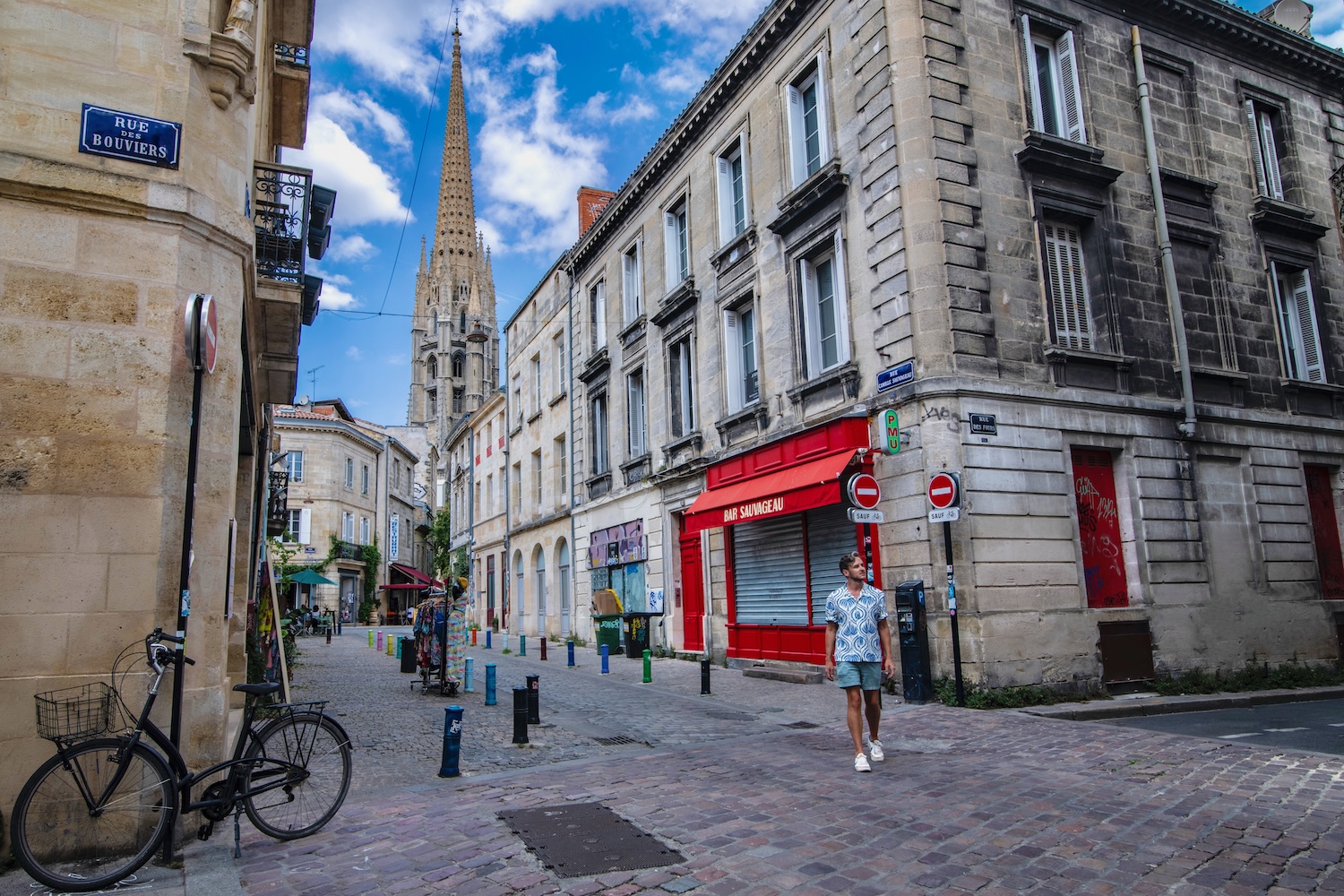
Bordeaux deceived me, on multiple fronts—and almost immediately, starting when I arrived at my accommodation (more on that place in a moment). I had broken the cardinal rule of travel in Europe—don’t stay near a given city’s main railway station—and yet received one of the warmest welcomes of my life.
Making my way northward to the old town, to be sure, my jubilation expanded as the spire of Saint Michael’s Basicila came into view; as I sat down for lunch beneath it, waiting for my chance to climb hundreds of steps to enjoy a panorama from its precipice, my expectations for the city began to skyrocket.
I won’t spoil too much now—I want you to read my entire Bordeaux itinerary, after all—but let’s just say that the story doesn’t end quite how it began. Here’s what I mean by that.
Where to Stay in Bordeaux
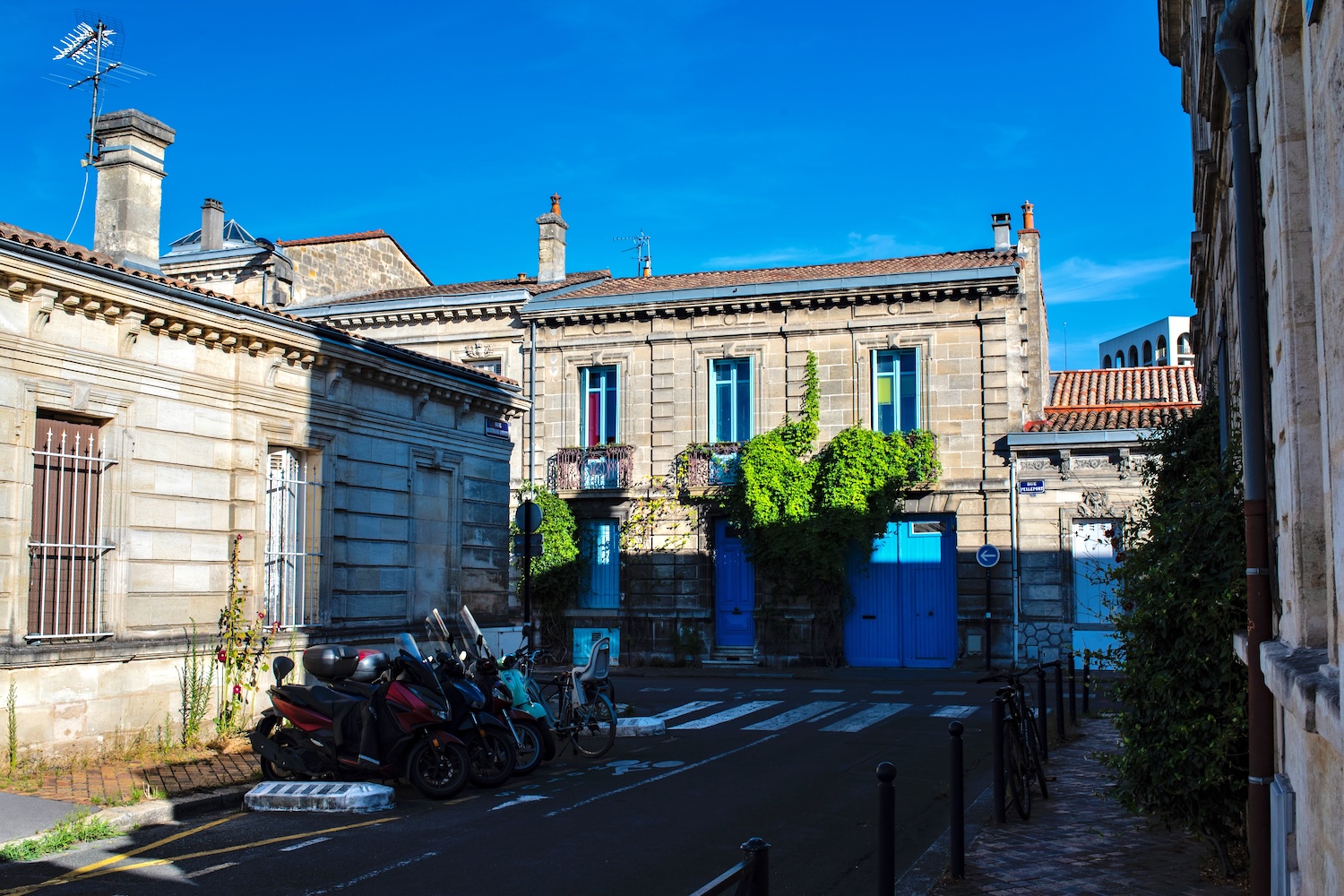
I browsed a lot of Bordeaux hotels in the lead-up to my trip, but ended up (against, perhaps, my better judgement) selecting a B&B near the train station. Which, of course, if you’ve ever traveled in Europe yourself, is usually the first thing you want to avoid when selecting accommodation. Interestingly, I personally found much of the area just around Bordeaux’s main station to be at least as nice as the Old Town, and certainy much more tranquil.
The specific property I chose was La Halte Montaigne, and I don’t exaggerate when I say that it’s one of the best places I’ve ever stayed anywhere in the world. It was a beautiful and stately home with a lovely terrace and delicious breakfast run by a kind couple (Brigitte and Franck), who in addition to being lovely people literally matched the color scheme of the place. Brigitte even sold her own delectable take on Bordeaux’s famous canelé, which was literally icing on the cake.
My Favorite Things to Do in Bordeaux
Start at the cathedral
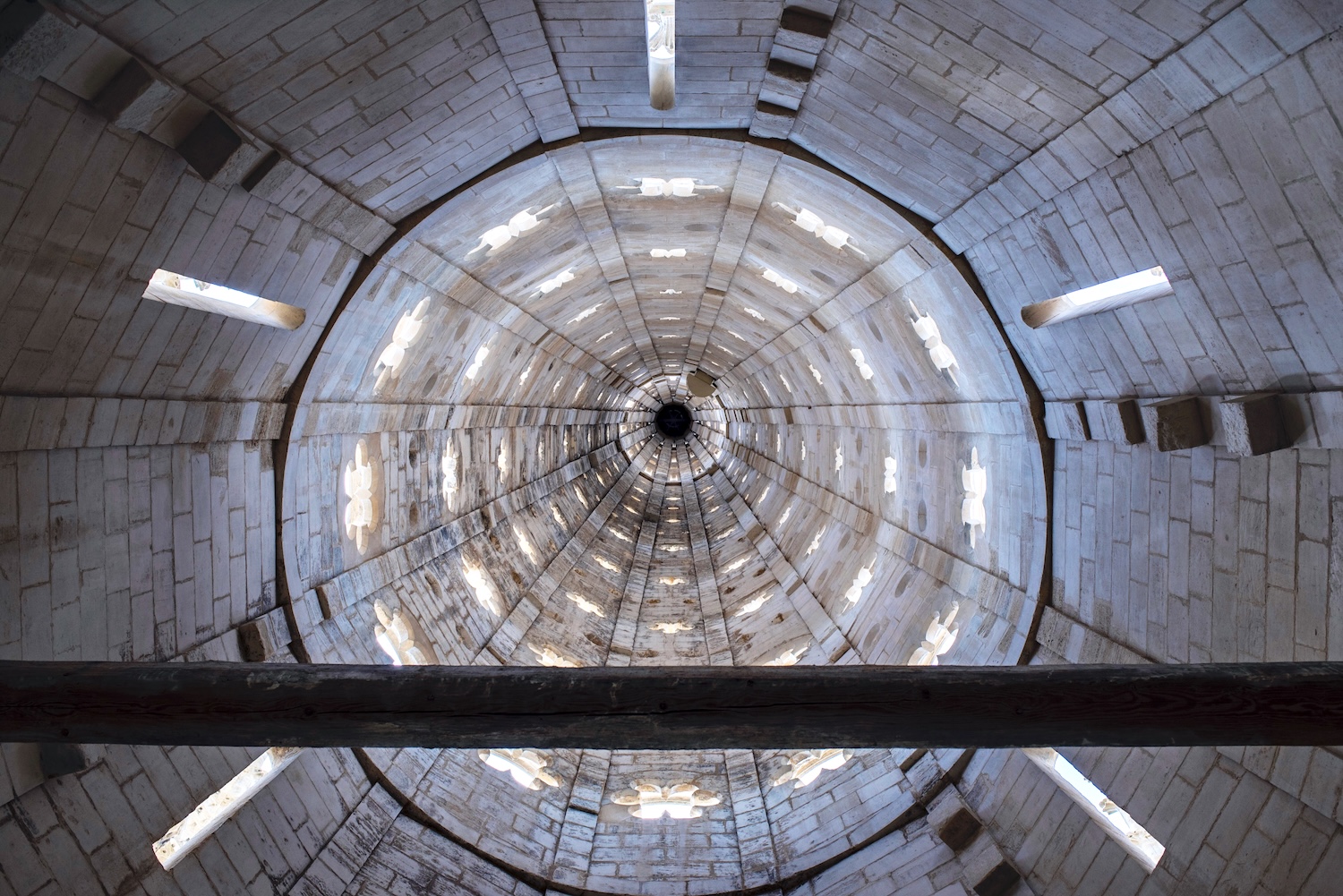
I left La Halte Montaigne behind and headed past the train station and toward the Garonne River, and hung a left before I reached the water. As I made my way northward and westward, the spire of Basilique Saint-Michel came into view—and, as I described in the introduction to this piece, I quickly became excited. Not only to photograph it from all angles (and inside), but also to go up in it.
Explore with your taste buds
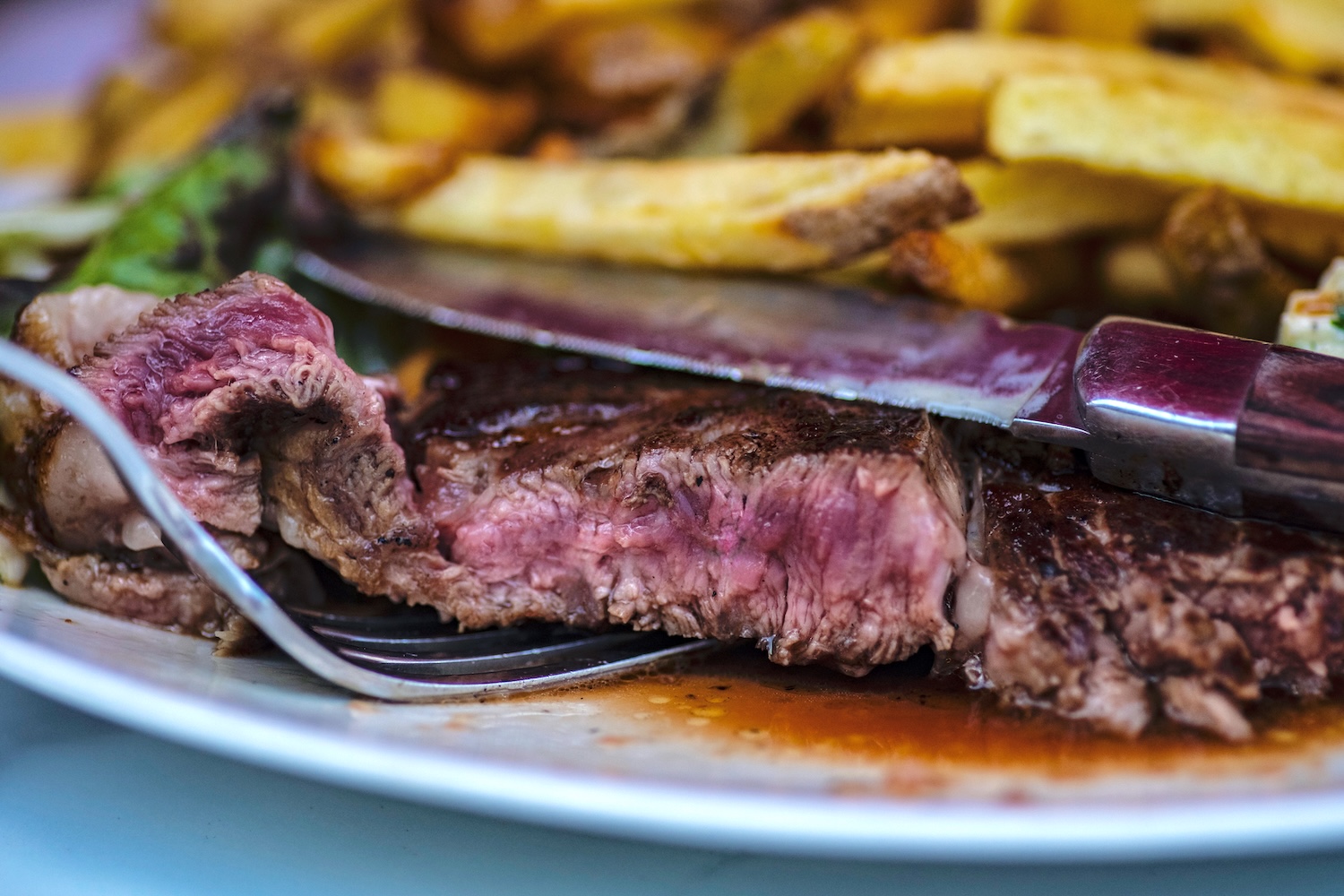
Of course, you can only scale the hundreds of steps up to the top of the cathedral at set intervals, which meant that I needed to wait. As a result, I walked to an inviting bistro near its base to sit down for lunch, choosing the iconic entrecôte à la Bordealaise as my lunch. If I’m honest, it didn’t rock my world, mainly because of the cut of beef itself. But it was beautiful and tasty, to say nothing of the Bordeaux red I washed it down with.
Don’t make too much of the “mirror”
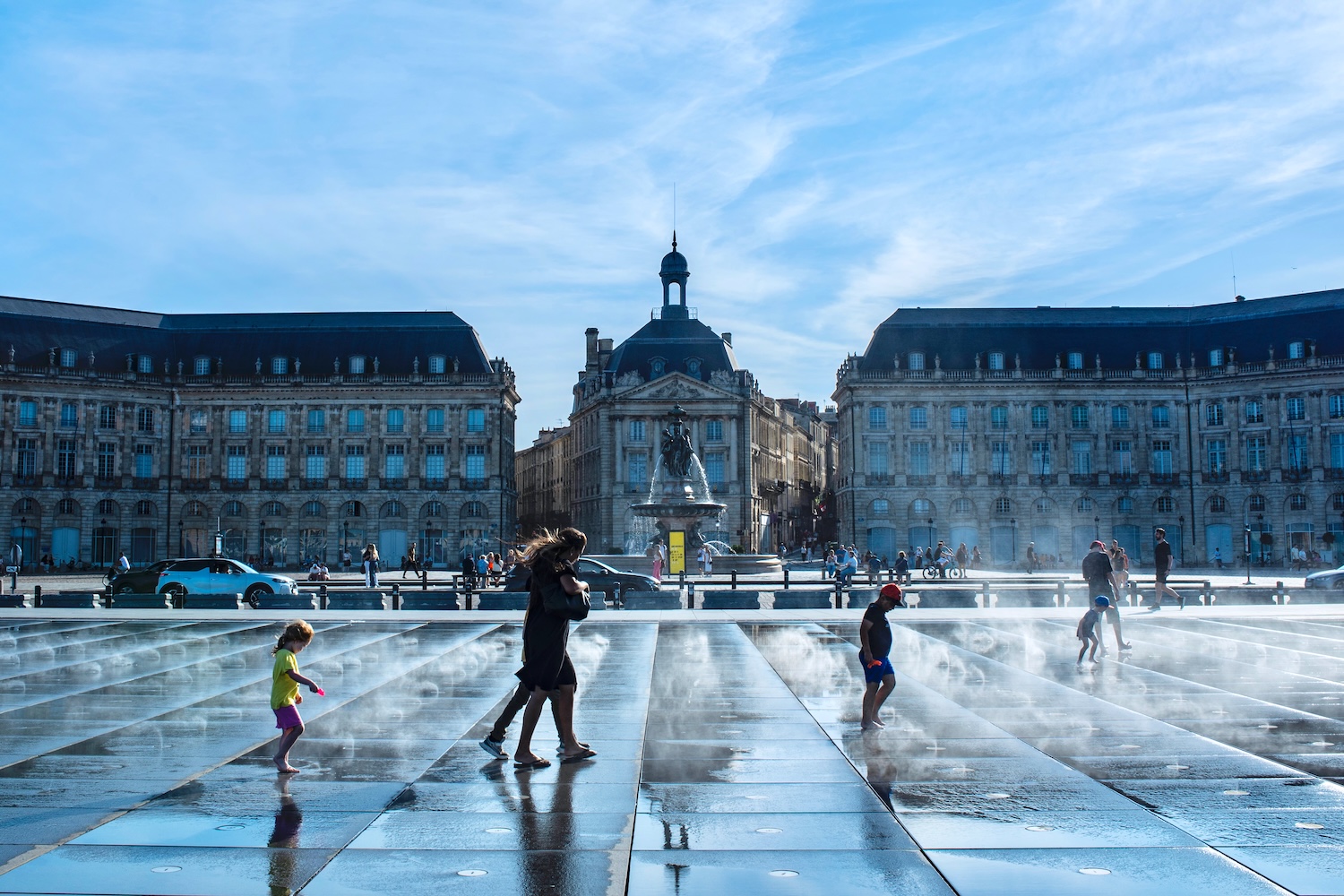
Further north from here is where you find the majority of Bordeaux attractions—in other words, the Old Town. It’s actually a surprisingly large area, but also a very crowded one. My main priority was the so-called Miroir de l’Eau, a (supposed) reflecting pool across from the iconic Place de la Bourse. Unfortunately, the water isn’t really deep enough to constitute a consistent mirror, so I’m not sure you should have the same expectations that I did.
Venture out into the wine country
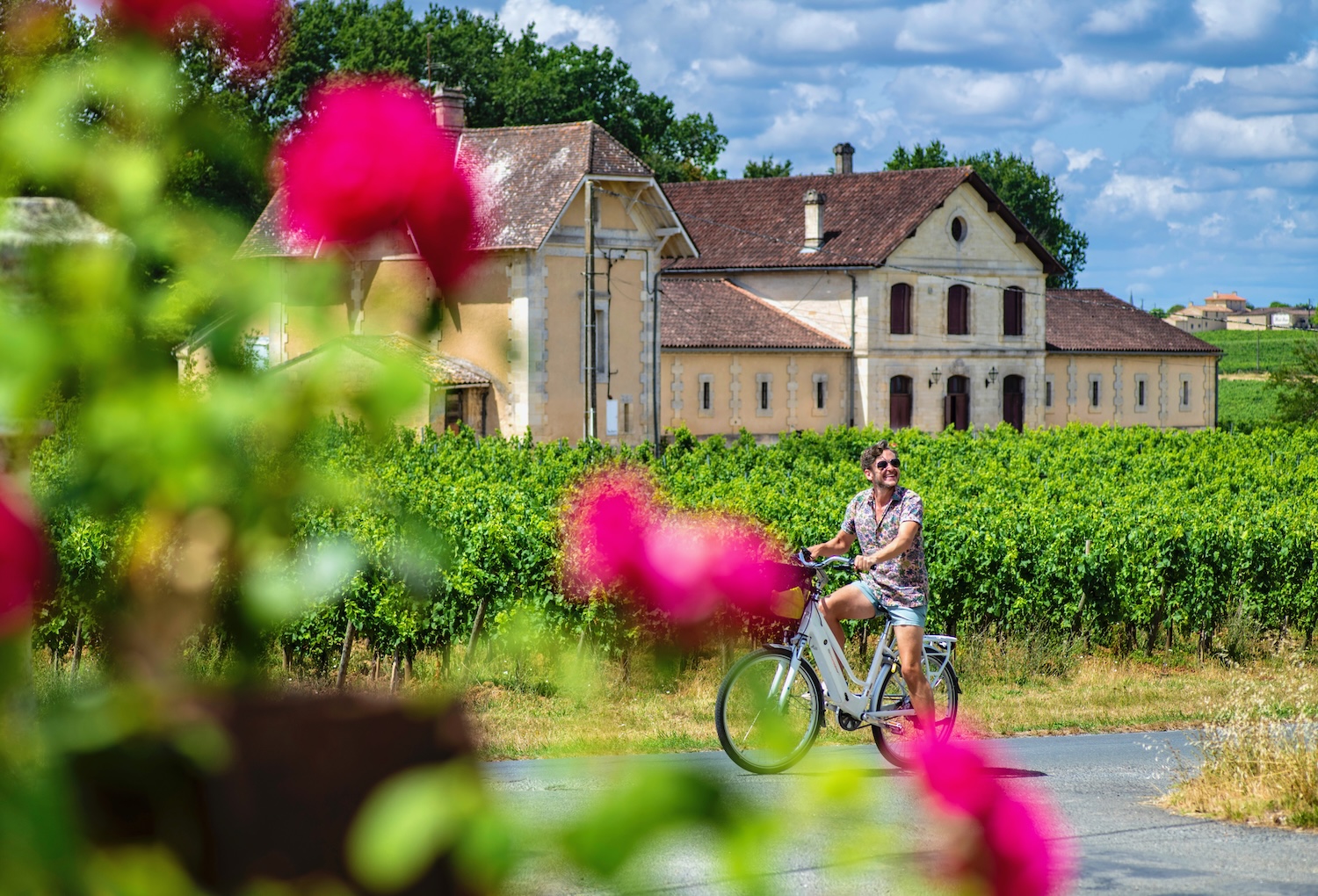
It won’t shock you to hear that when it comes to what to do in Bordeaux, winery visits are near the top of the list. The easiest way to enjoy them is in Saint-Emilion, which is just 15 minutes from Bordeaux by train. Once you reach the station, set your GPS for the Les Bicyclettes de Saint-Emilion shop (ideally after having made an advance rental online), and use one of their suggested itineraries to explore the wineries.
(And take many other day trips, too)
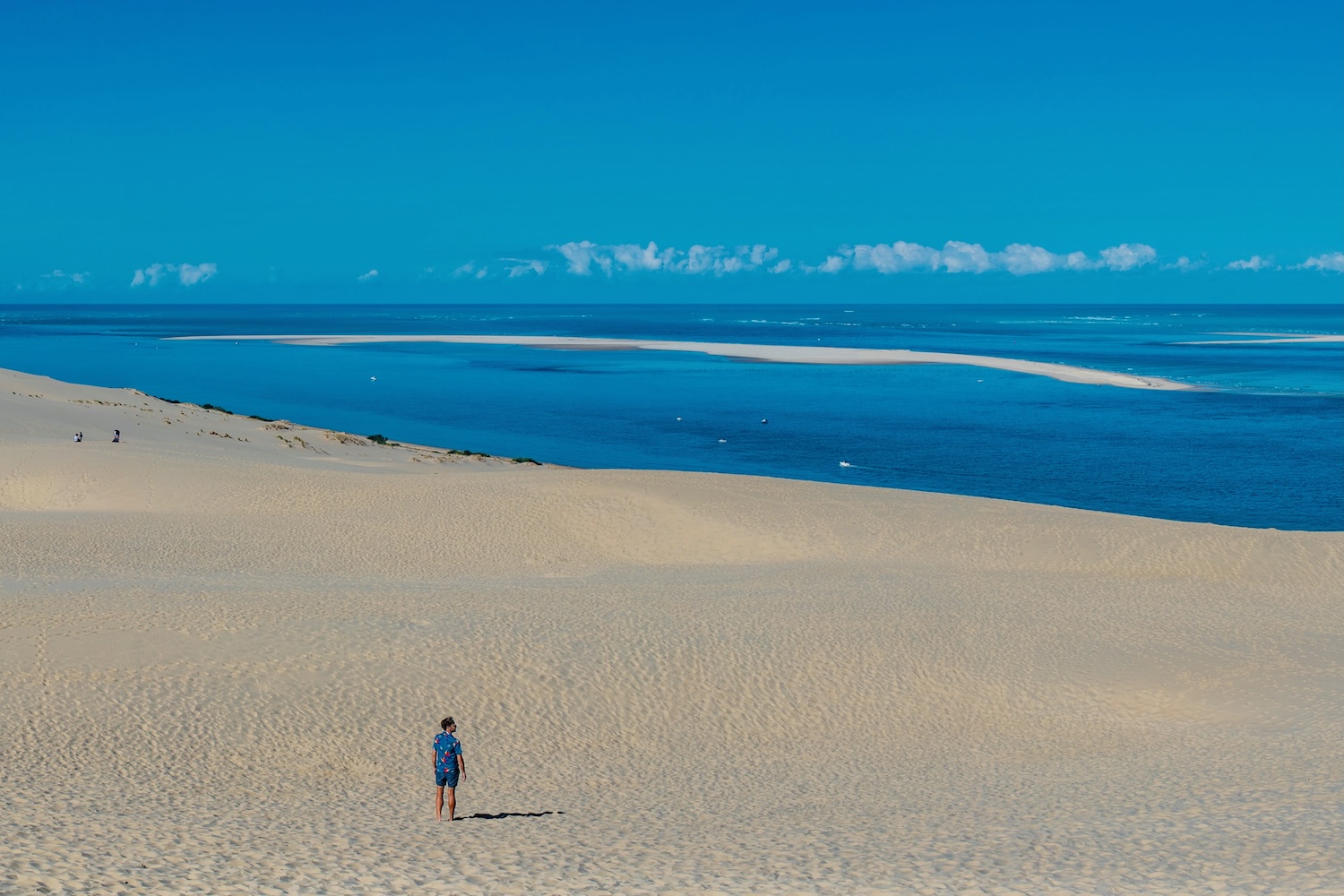
As I mentioned earlier in this guide, I used Bordeaux primarily as a base for day trips—and not just to visit wineries, even if they figured into more often than only in Saint-Emilion. For example, after driving northward to coastal La Rochelle for the day, I stopped en route back to Bordeaux in Margaux, another wine village. Another day trip is to head south (maybe via the exotic Dune du Pilat) to Biarritz, the coastal jewel of the French Basque Country, and either continue onward to Saint-Jean-de-Luz, or stop on the way back in Bayonne.
How Long Should I Spend in Bordeaux?
On one hand, I maintain that Bordeaux itself is simply not my favorite city in France. If only for the attractions and ambiance on offer in the city center, I wouldn’t recommend staying longer than a day or two, and certainly not if you aren’t staying at La Halte Montaigne. The city is simply not comfortable enough to justify a very long stay. Of course, as you’ll know having read through this article, I see Bordeaux as much as a base for exploring as I do a destination.
As a result, my answer for how many days in Bordeaux could end up being significantly more than two, if you take my perspective on the city. When I went, for example, I stayed four nights. I explored central Bordeaux on day one; spent day two cycling around Saint-Emilion; headed down to the Basque Country on day three; and split day four between La Rochelle and Margaux. I had a car on the final two days, which may have needed more time if I’d only used public transport.
Other FAQ About Visiting Bordeaux
Is Bordeaux worth visiting for tourists?
Bordeaux is worth visiting as a tourist destination, though there are a couple of caveats. First, Bordeaux’s city center is a bit rougher than what its image as a world-class wine destination might have you believe. Secondly, you should spend at least as much time in town as you do taking day trips, into the wine country and otherwise.
Is 4 days in Bordeaux too much?
If you only plan to explore Bordeaux’s city center, then I’d say that 4 days in Bordeaux is probably too much. From the ambiance (or lack thereof) to the the fact that many surrounding cities and towns are simply more worthy of your time, a four-day trip is best when Bordeaux is your base, not the end destination.
Is Bordeaux very expensive?
In terms of accommodation and in-city activities, Bordeaux is no more or less expensive than anywhere else in France. Where prices can quickly skyrocket is when it comes to wine tours and of course the wine itself. Not surprisingly, may local wine-related businesses capitalize on the city’s world-famous name.
The Bottom Line
I hope my Bordeaux itinerary helps you plan your trip, no matter how you end up feeling about the city. One on hand, it isn’t inaccurate to say that Bordeaux can seem deceptive—the city, in addition to be nothing like the wine country that surrounds it (and, frankly, for which it’s world-renowned), feels more than a bit rough. On the other hand, it’s much easier to appreciate within the context of a comprehensive France itinerary; in fact, I’d almost so Bordeaux should be an obligatory stop for any grand tour of France. Want to be 100% sure the France trip you’ve dreamed of aligns with the one you end up taking? Hire me as your Travel Coach—and let me sweat the details.