


France was the first foreign country I really wanted to visit back when I was a kid—and fittingly, it ended up being among my first destinations on my first-ever trip to Europe in 2005. Back then, of course, I only went to Paris—and I spent just a couple of days there, barely covering any ground at all.
In fact, it would take me nearly a decade after my maiden voyage to France to see any part of the country outside its capital. Another decade would pass—taking us nearly until the present day, as I’m writing this—before I finally got around to exploring France as extensively as I always wanted to do.
The good news? With my France itinerary in hand, you can dig deep into the world’s most-visited country, from the glittering Eiffel Tower, to the lavender fields of Provence, to the glitzy beaches of the French Riviera. The better news? No matter how many days or weeks you spend in France, my guide will make sure your trip is as unforgettable as all of mine have been.
Practical Matters
When to visit France
France is a 365-day-per-year destination; you should decide to visit based on what you want to do. Some travelers want to experience Paris amid its spring flowers, or base themselves in the capital in the autumn, when the wineries of the nearby Loire Valley are almost ready for harvest. Summer, by contrast, is when Provence’s lavender blooms, and when the beaches of the Côte d’Azur are at their most resplendent. Target winter, meanwhile, if you want to ski in Chamonix or elsewhere in the French Alps.
Where to base yourself in France
The idea of this France itinerary is that you’ll spend at least a few days in Paris, then choose 3-4 other bases, depending upon how long your itinerary lasts. Personally, I find the best bases to be Bordeaux (which opens up some of France’s best wineries, plus the Atlantic Coast), Lyon (adjacent to both the French Alps and the wineries of Burgundy) and somewhere in the Provence-Côte d’Azur region, be that inland Avignon, or coastal cities like Marseille and Nice.
How to get around in France
France famously has one of the largest high-speed rail networks in the world, running hundreds of TGV (train à grande vitesse, literally “high-speed train”) per day. However, compared to similar networks in Asia (and especially in Japan), I find France’s rail network outdated and unreliable, even if it will likely serve you well as a tourist. As I’ve gotten older, to be sure, I like to supplement my train journeys around France with rental cars where appropriate, which can remove friction and add freedom to your exploration of rural France.
Money, costs and communication
I usually say that France requires a minimum of €200 per person per day, as of the mid-to-late 2020s. As a result, you can expect that a France itinerary will cost around €3,000 per person, not including the cost of flights to and from France (whether or not those are in Air France business class). The good news? You are unlikely to need much cash on your trip to France, as virtually everything can be paid using tap-to-pay technology.
Communication-wise, France obviously uses French, though in the decades since I’ve started traveling there, English proficiency has increased an order of magnitude. Even if you start an interaction by speaking to locals en français, they will almost always reply in English, unless your French skills are excellent. In terms of figurative communication, fast WiFi is now ubiquitous in French, though I do recommend that you download a France eSIM if your home country’s cellphone plan won’t work (at all, or affordably) when you’re in France.
Immigration and visas
If you’re reading this page in English, chances are that you can visit France (and, indeed, the entire Schengen area of Europe) for up to 90 days out of any 180-day period, visa-free. However, as of late 2026, you will need to apply for an ETIAS authorization, and will likely also need to use the delay-plagued EES kiosks to enter and exit the country. By contrast, if you come from a country that requires a formal visa to enter Europe (in which case I’m very sorry), you likely already know this.
Where to Go on Your Trip to France
Paris
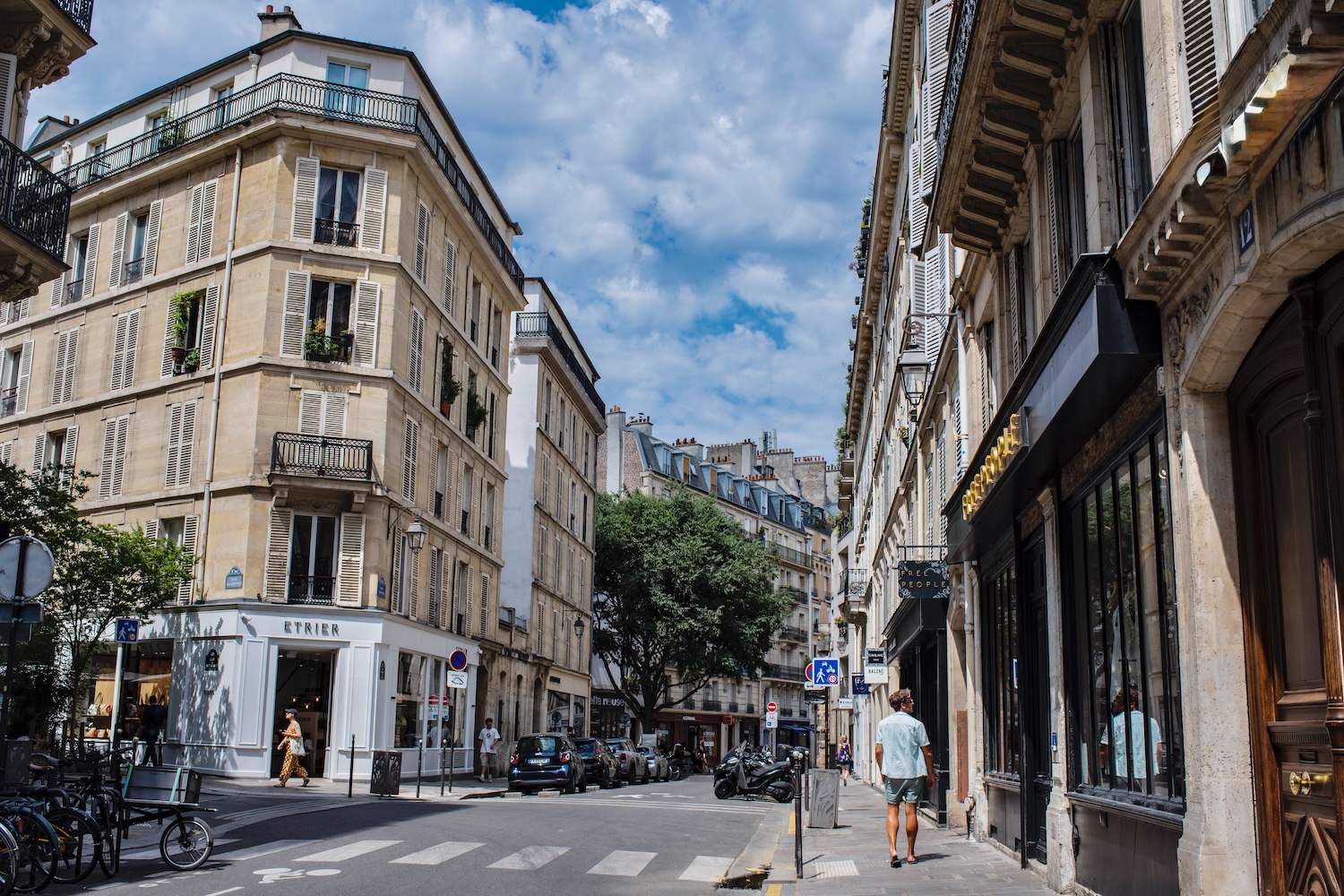
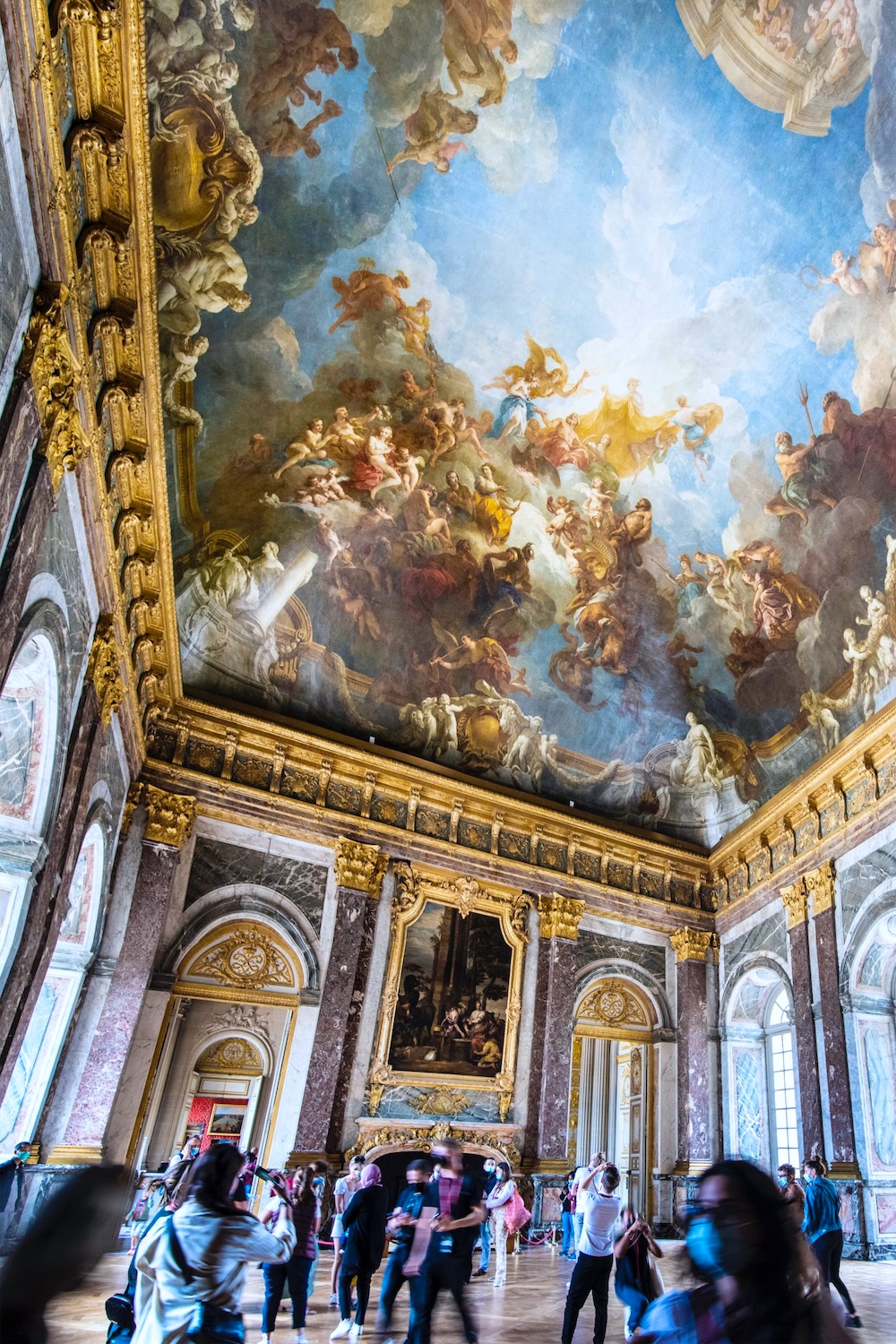



It should go without saying that unless you have been there before, your France itinerary will include some time in Paris. And honestly, no matter how many times I go to France, I enjoy spending at least a few days in the city. On some trips I’m doing the full tourist thing, whether that’s going up to Sacre Coeur cathedral in Montmartre, watching the Eiffel Tower glitter from the Champ de Mars or taking a day trip to the palaces of Versailles. In other cases, I’m decompressing from a trip around France in Le Marais, my favorite of the capital’s many districts.

TIP: Speaking of day trips from Paris, one of my favorites involves the Loire Valley. If you come in early autumn, focus on touring wineries amid the harvest. In any other time of year, spotlight castles, such as my personal favorites of Chambord, Chenonceau and Villandry.
Brittany and Normandy

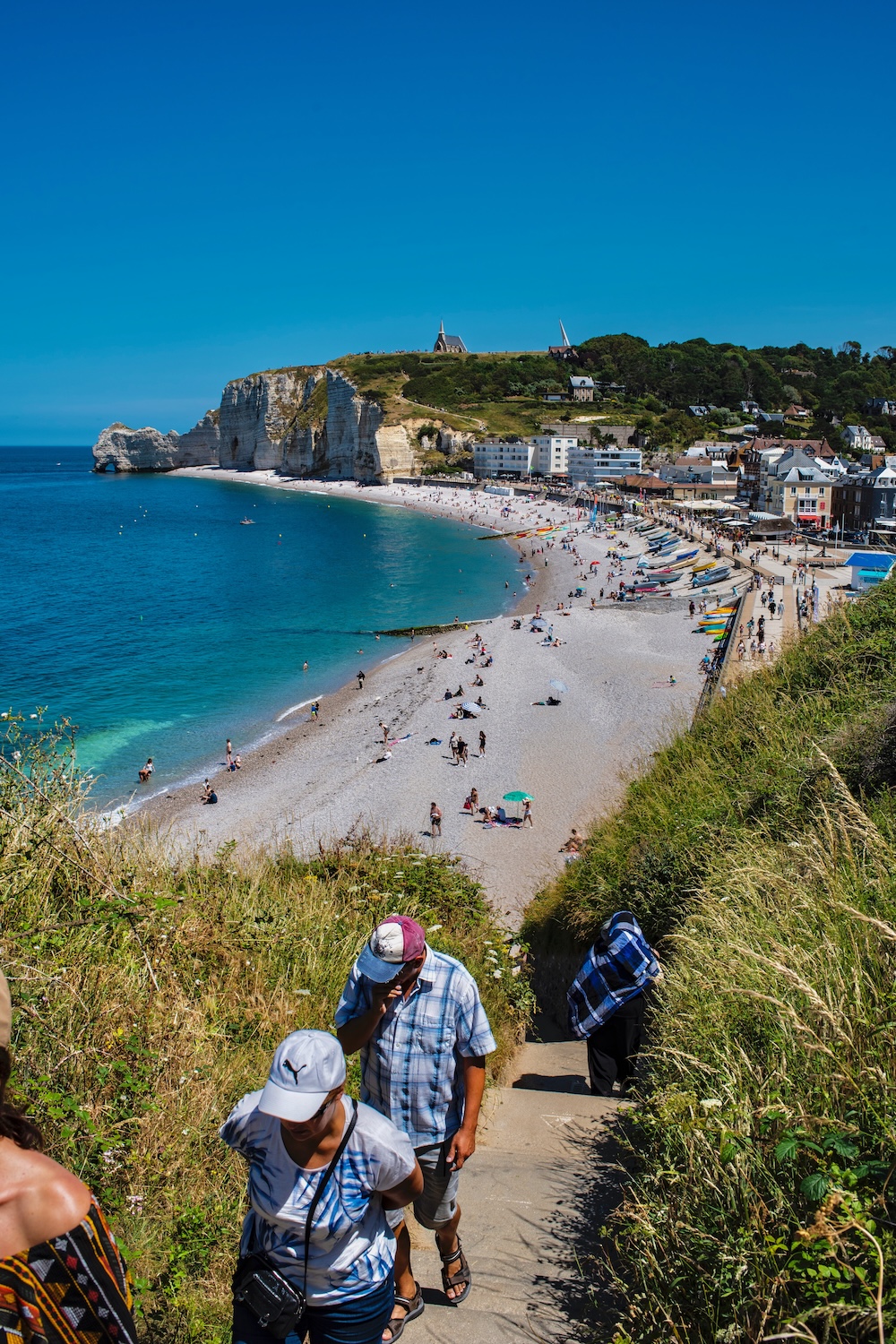



My favorite place to continue my France itinerary is by heading northwestward. For most travelers, I’d say Normandy ends up being the top priority, likely due to the “floating” Mont Saint-Michel monastery and to the Omaha Beach D-Day landing site. However, I also love Brittany, whether I’m traipsing through walled cities like Concarneau and Saint-Malo, eating savory galettes and sweet crêpes to fuel my exploration.
Bordeaux
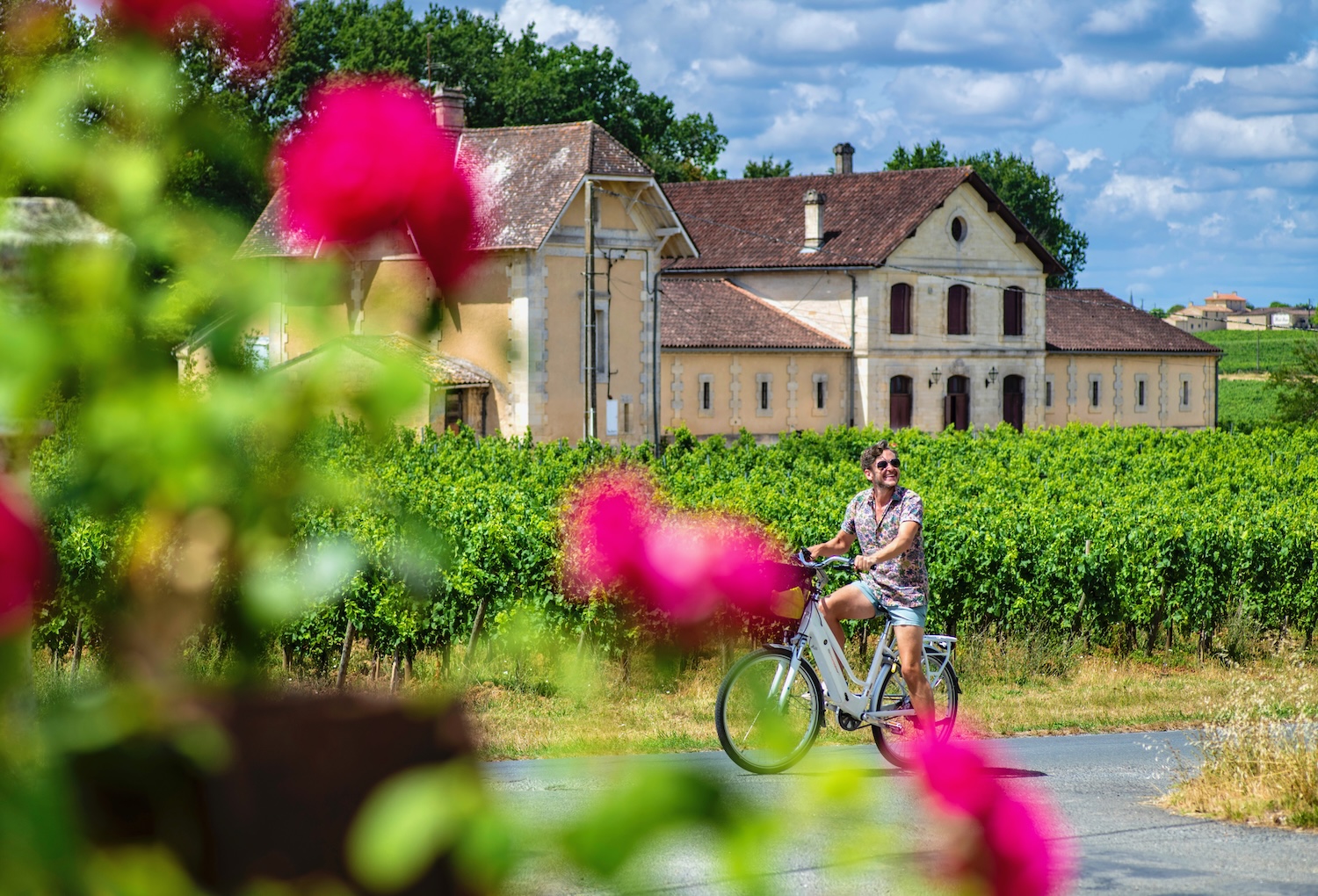
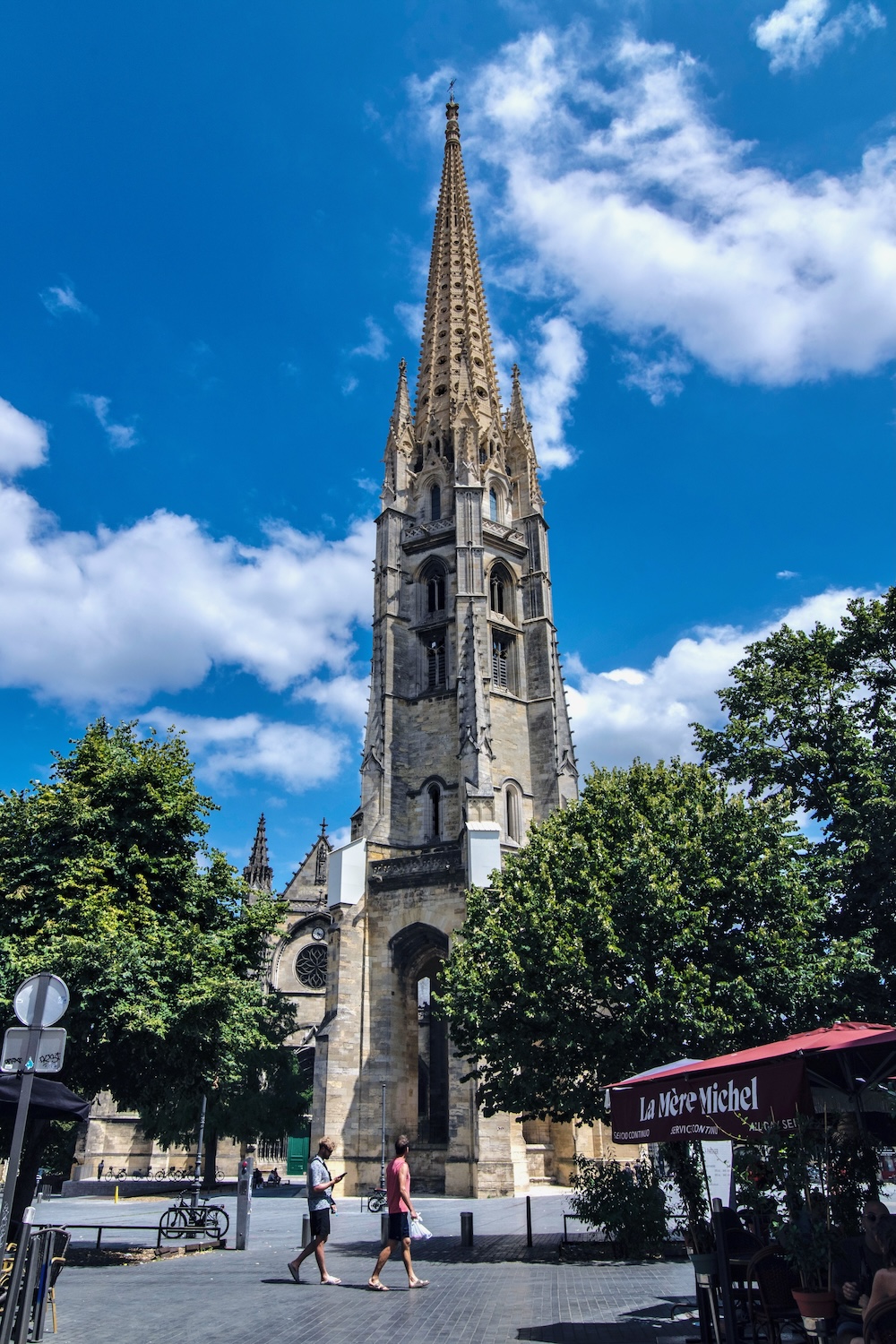

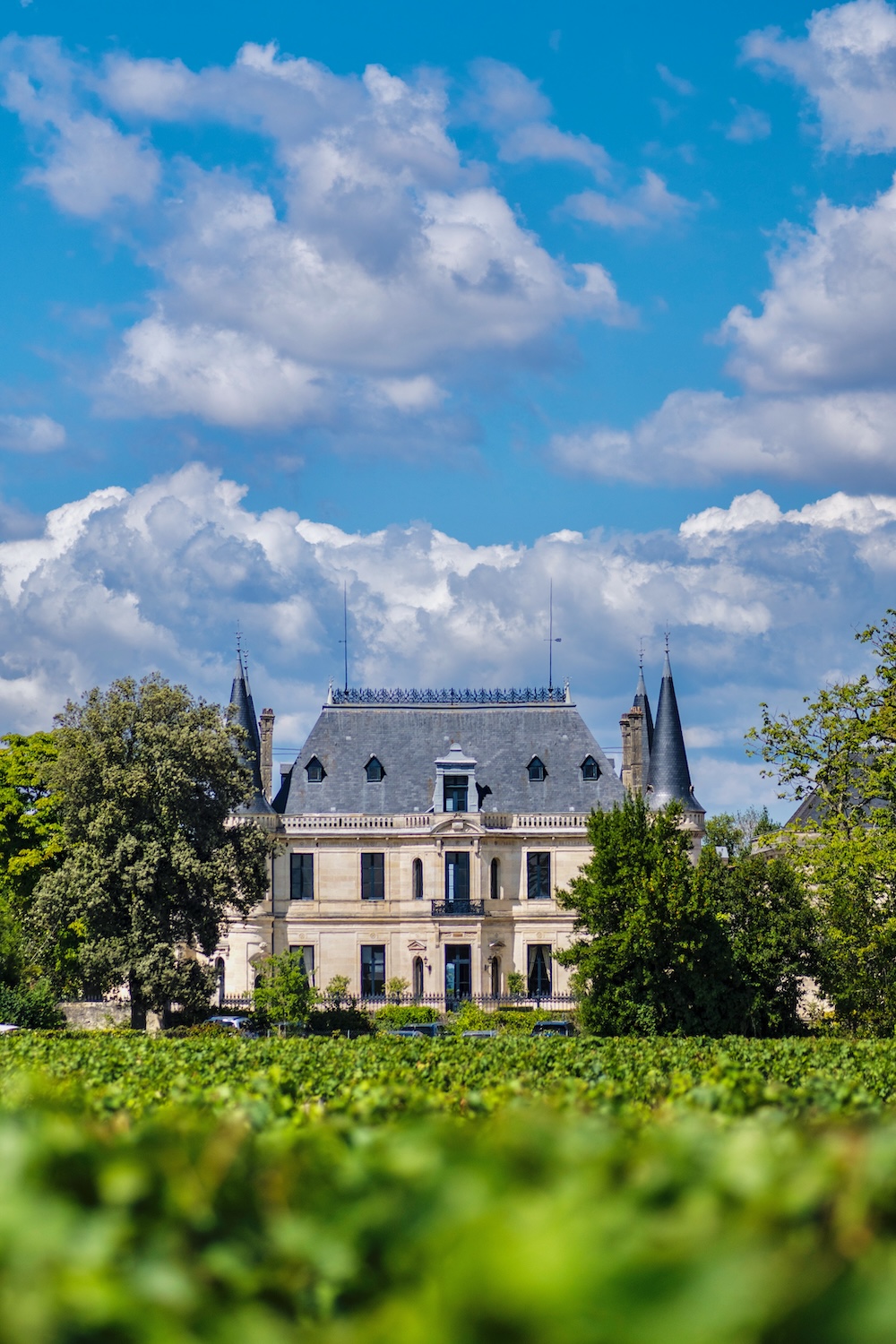
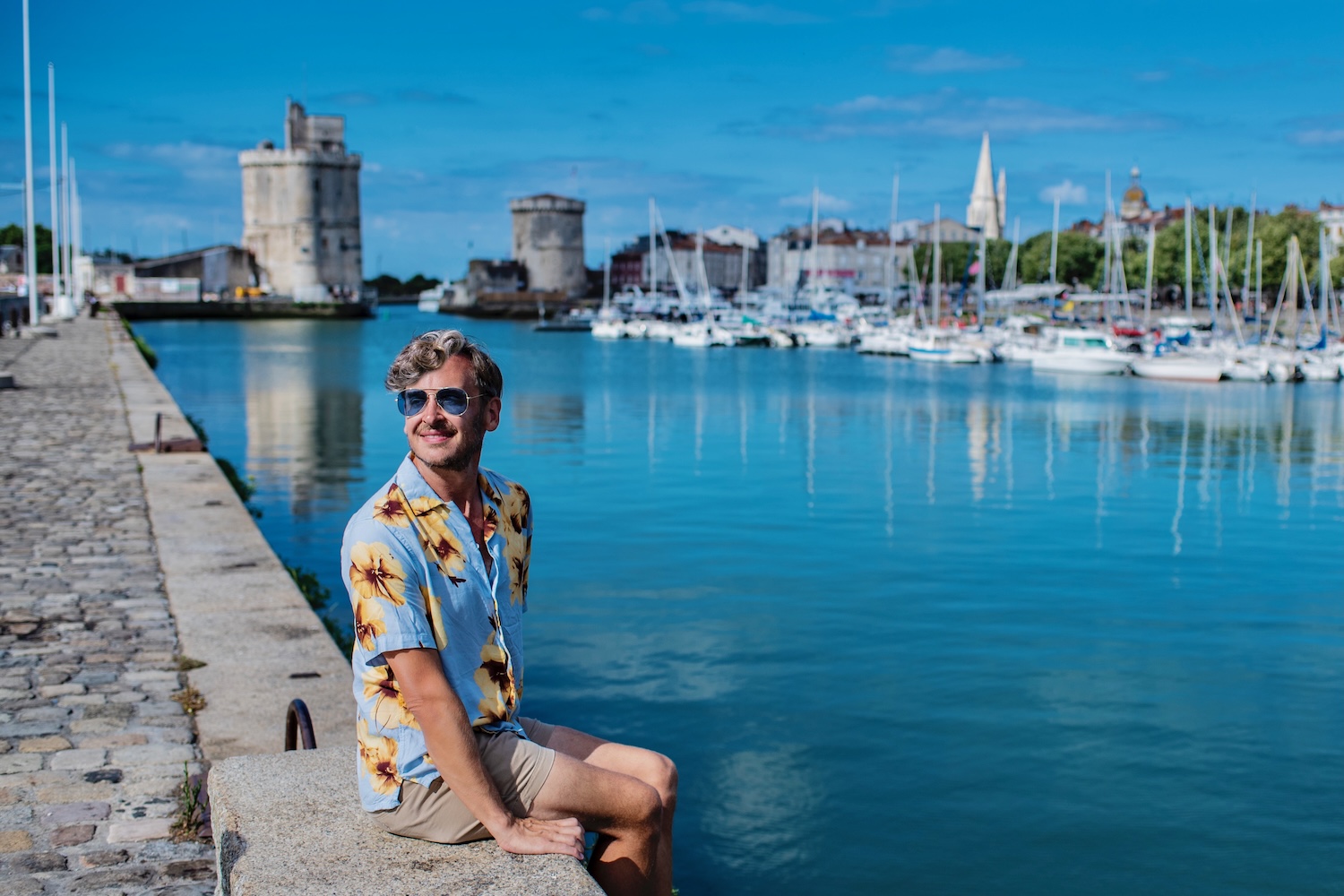
I’ll be honest: Bordeaux is not my favorite city in France. It’s both larger and more rough-around-the-edges than you might expect, in spite of being less cosmopolitan and dynamic than Paris. With this being said, Bordeaux makes a great trip for exploring other regions, namely wineries in places like Margaux and Saint-Émilion, which much more closely live up to the image most people associate with the word “Bordeaux” itself. Likewise, the city is just a few hours by train from the gorgeous coastal idyll of La Rochelle.
Biarritz and the Basque Country

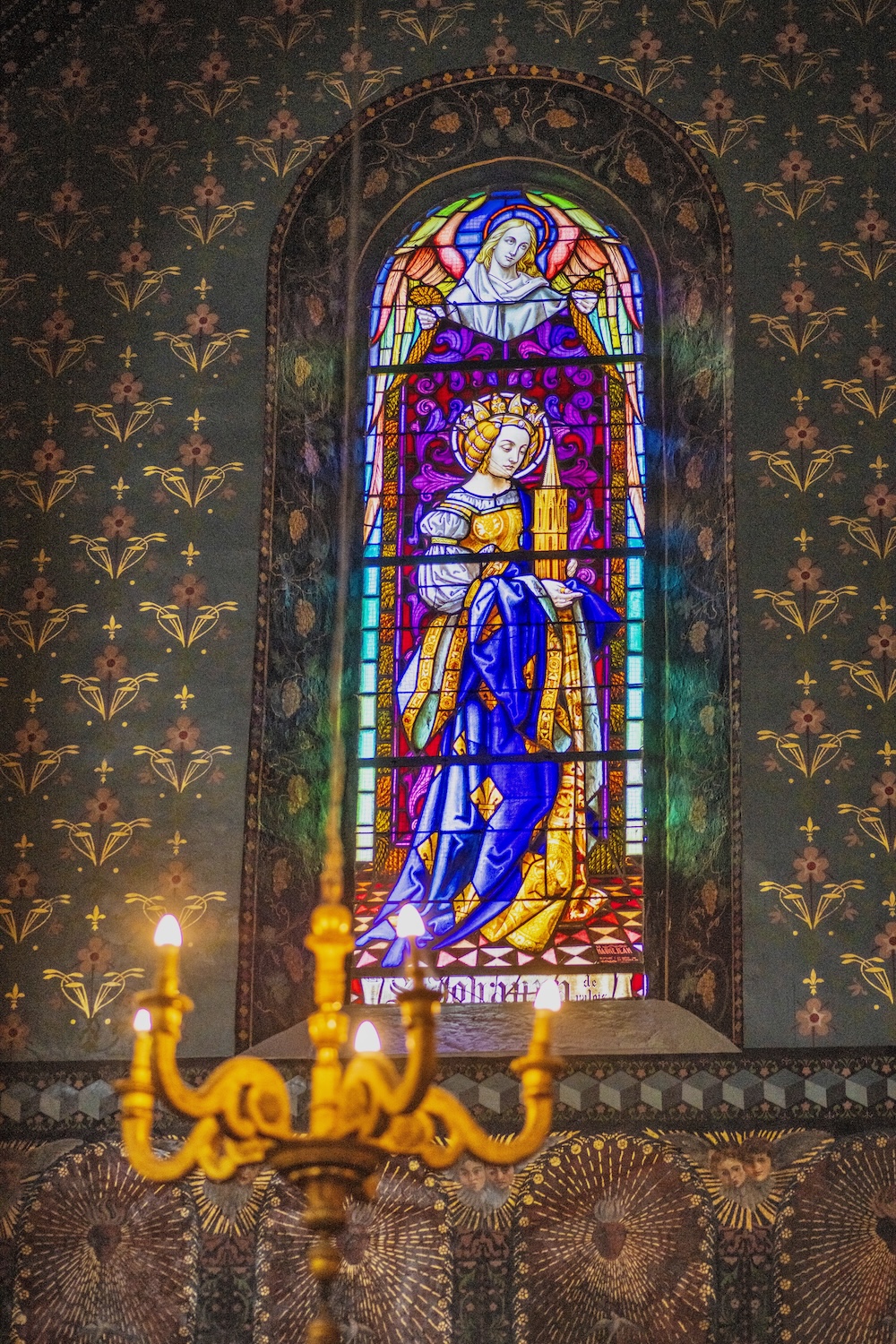

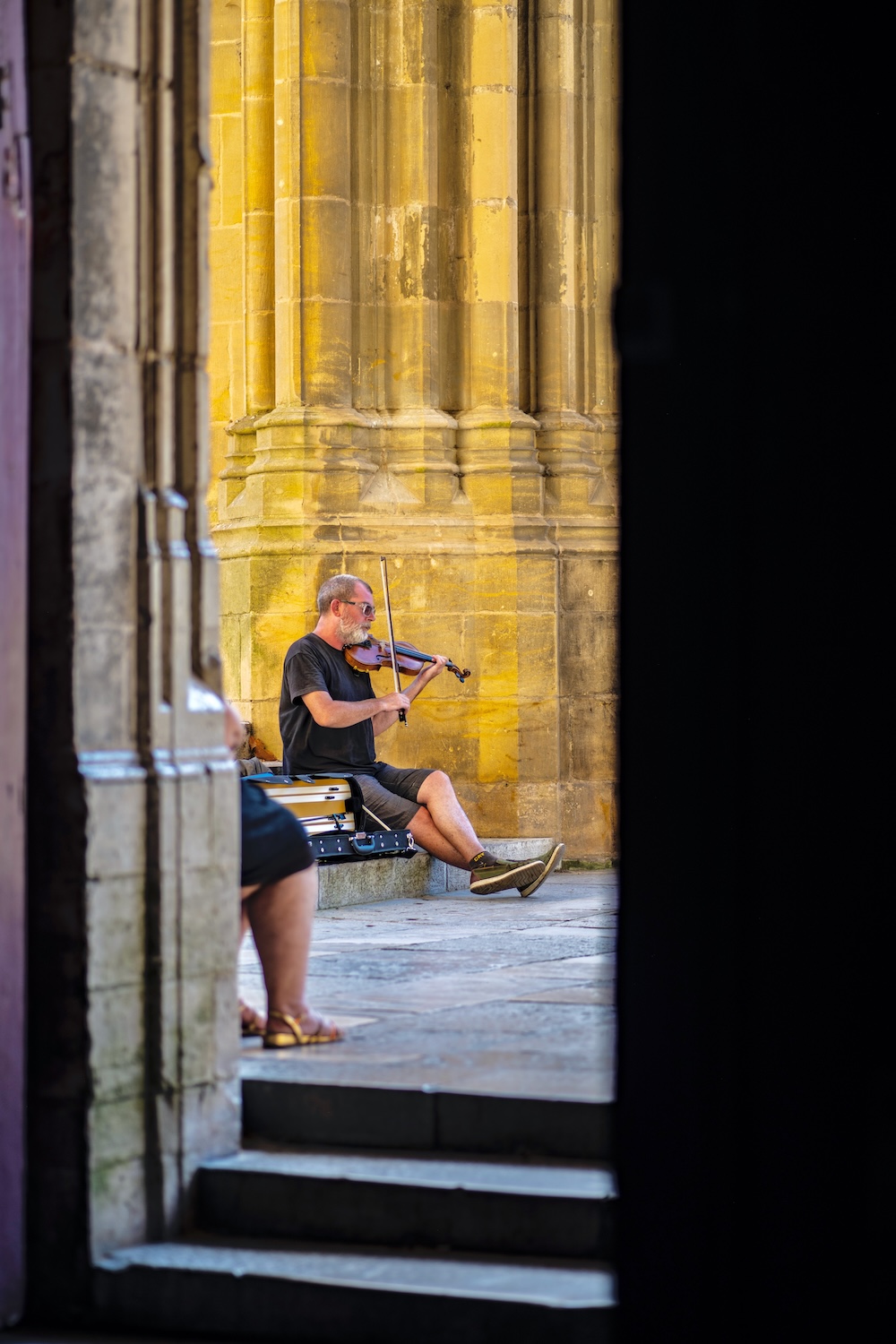
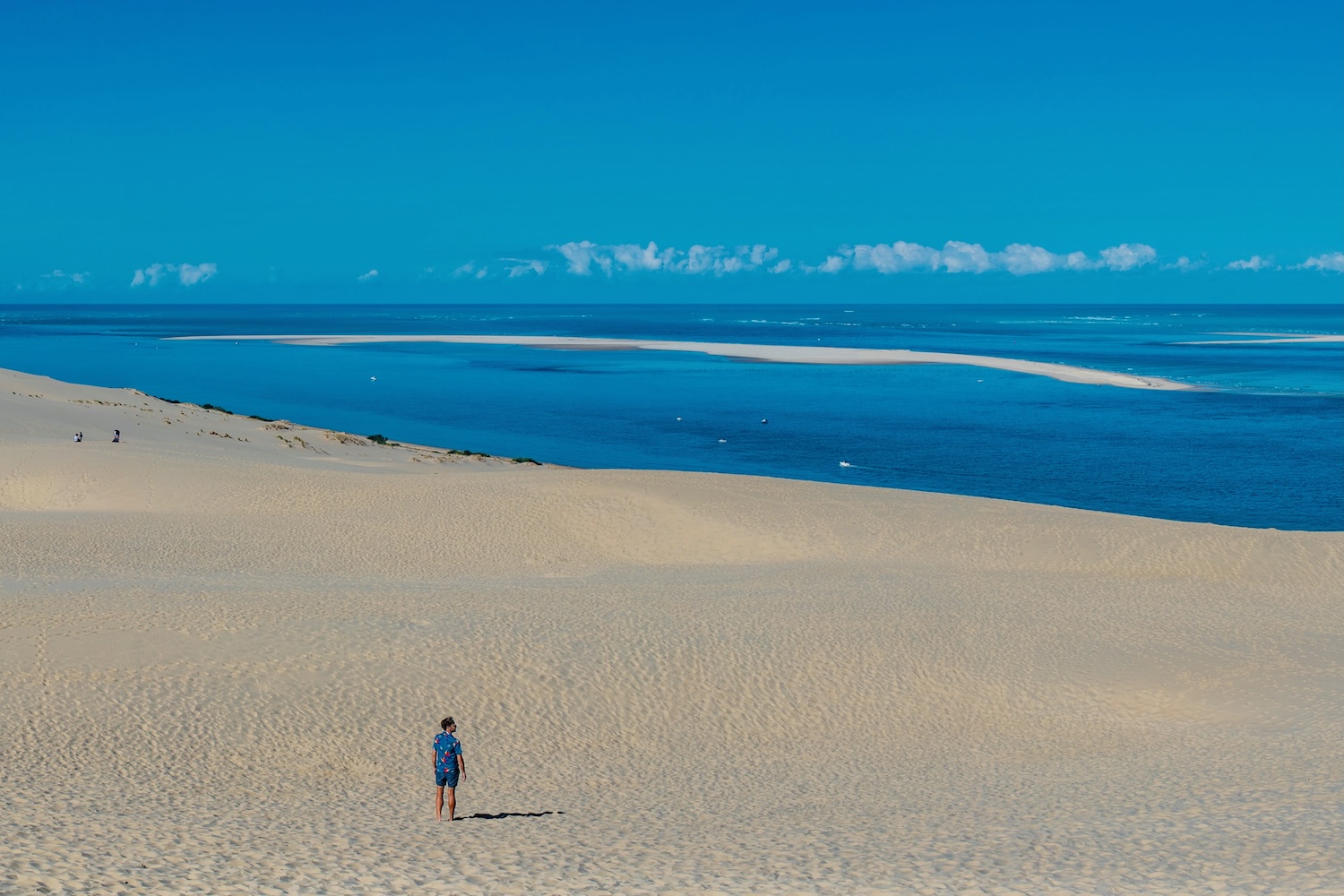
Of all the destinations I’ve proposed that you might visit within this France itinerary, the Basque Country is perhaps the most obscure. However, this does not mean it’s the least worthwhile. In fact, I’d say coastal Biarritz is probably the most beautiful city I’ve ever visited in France; other spots like Bayonne and Saint-Jean-de-Luz are nothing to sneeze at. While you’re in this region, you can also visit the Dune du Pilat, which like the Tottori Sand Dunes in Japan, is probably the closest thing France has to a desert.
Lyon, Burgundy and the French Alps
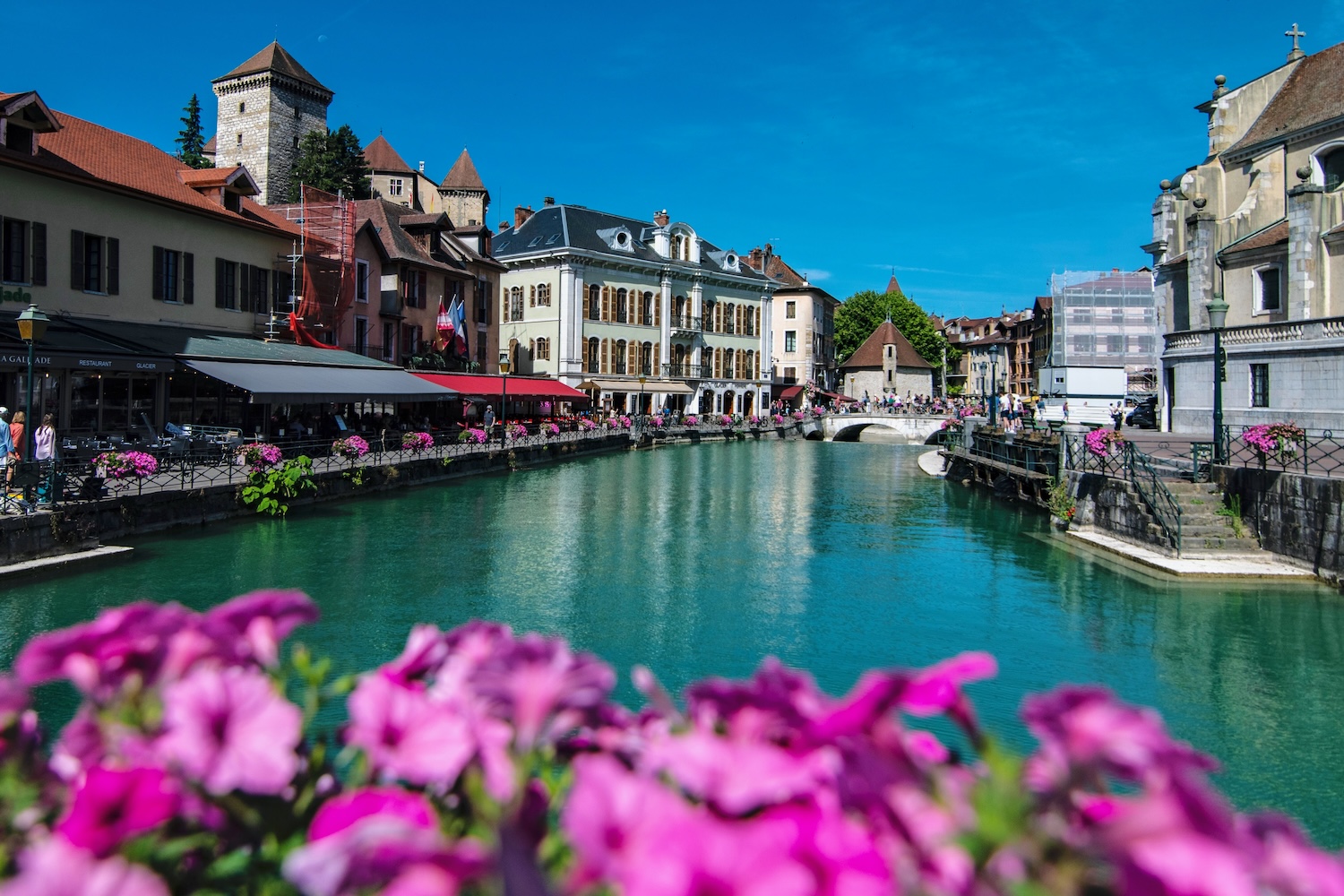

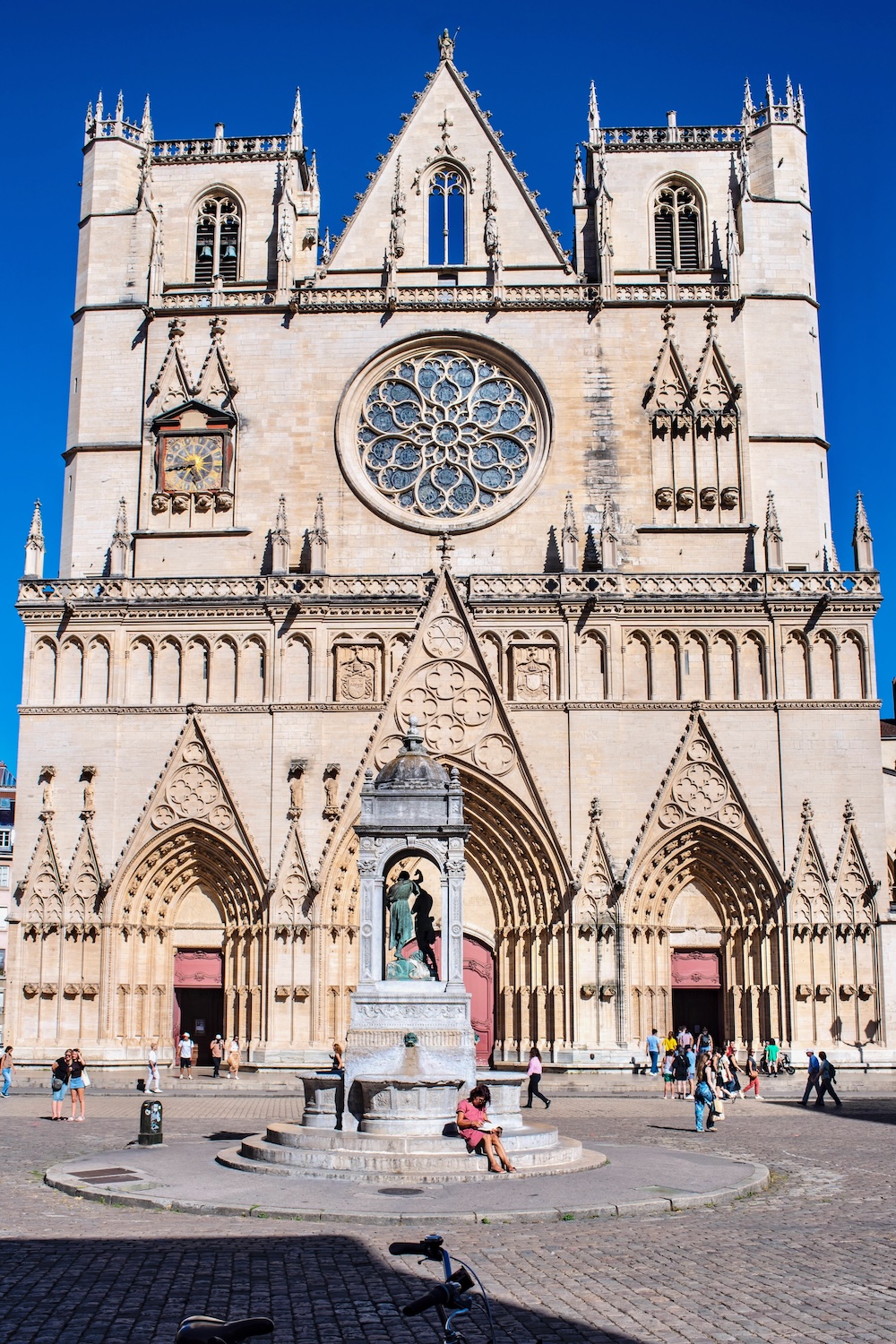


Like Bordeaux, Lyon-proper is just not my favorite city in France, in spite of the hilltop Notre Dame de Fourvière cathedral being an undeniable architectural icon. With this being said, it’s also an excellent base for day trips. Some travelers will head north to the large city of Dijon (yes, like the mustard) or the smaller town of Beaune, which are both excellent entry points into the Burgundy wine region. Others will head east to the French Alps, be that the lakeside city of Annecy or Chamonix, the town right at the foot of sky-scraping Mont Blanc.
Provence
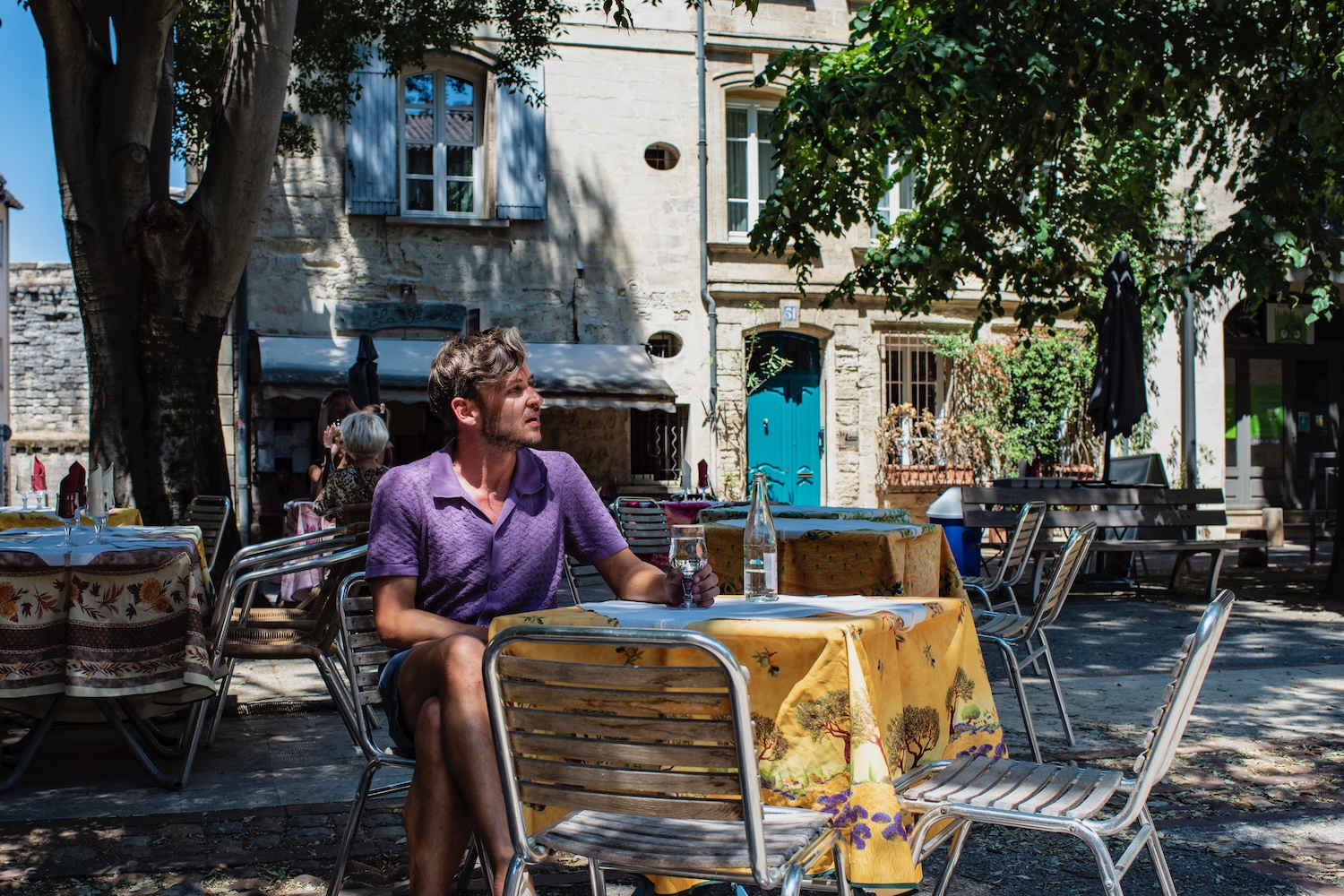
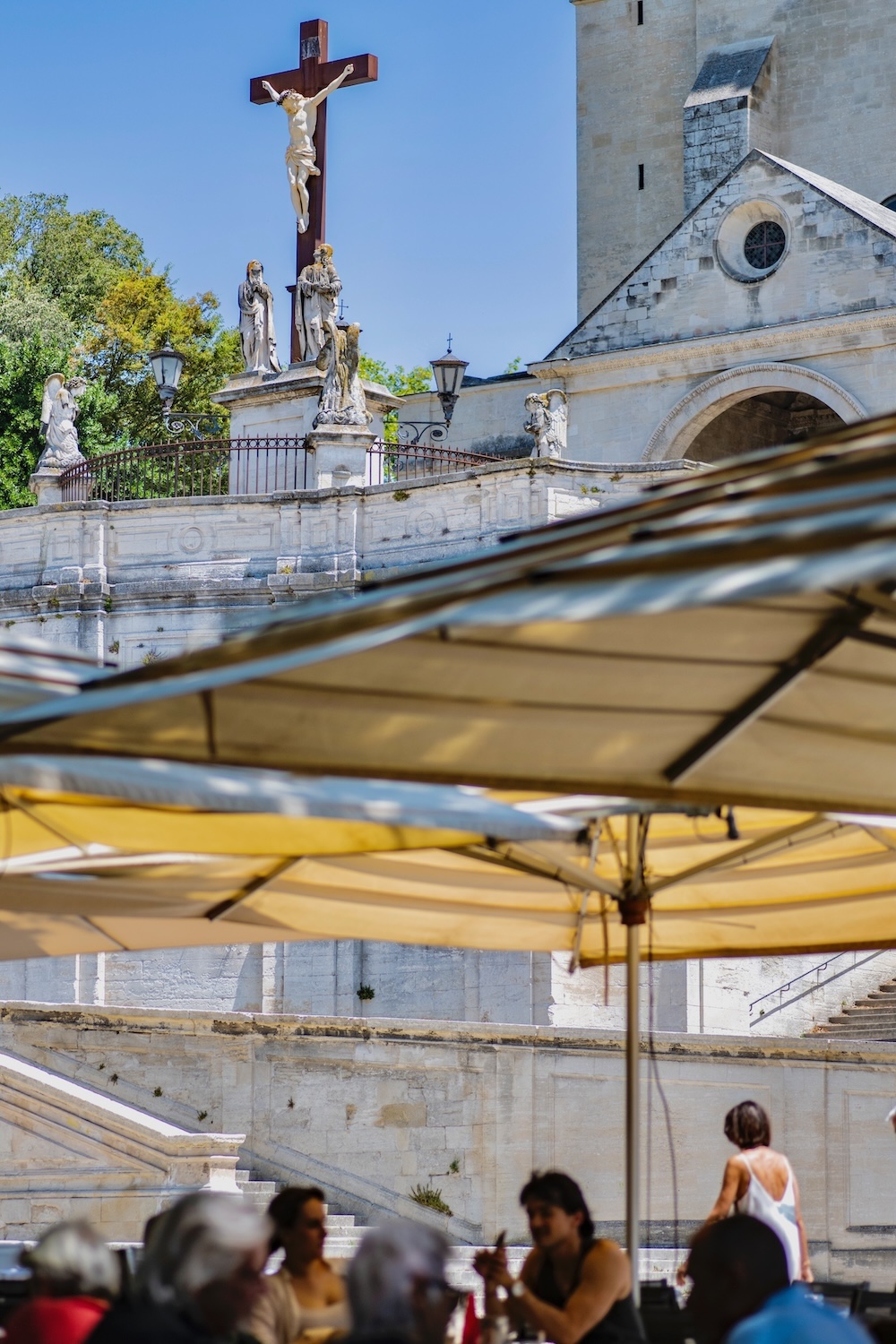

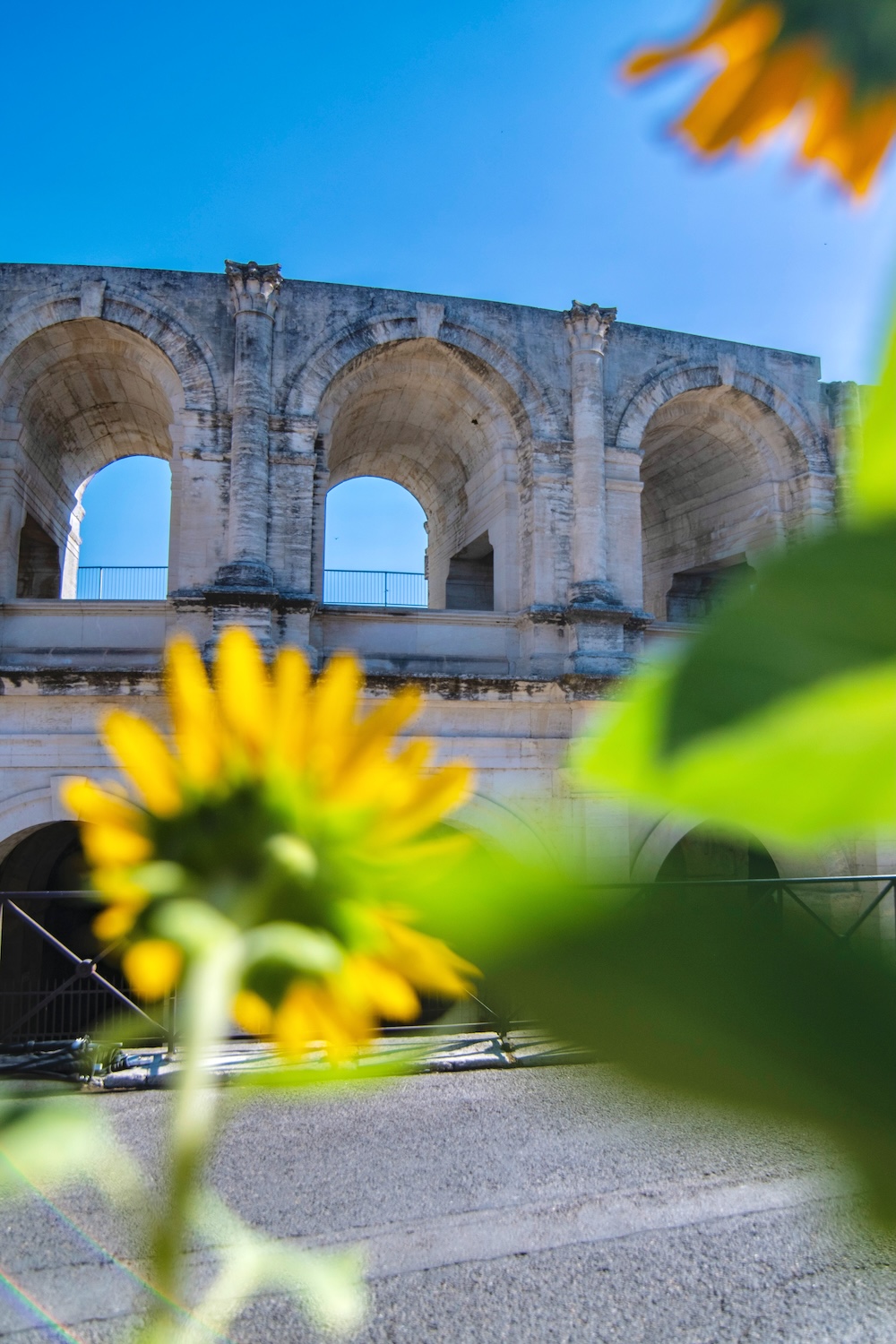

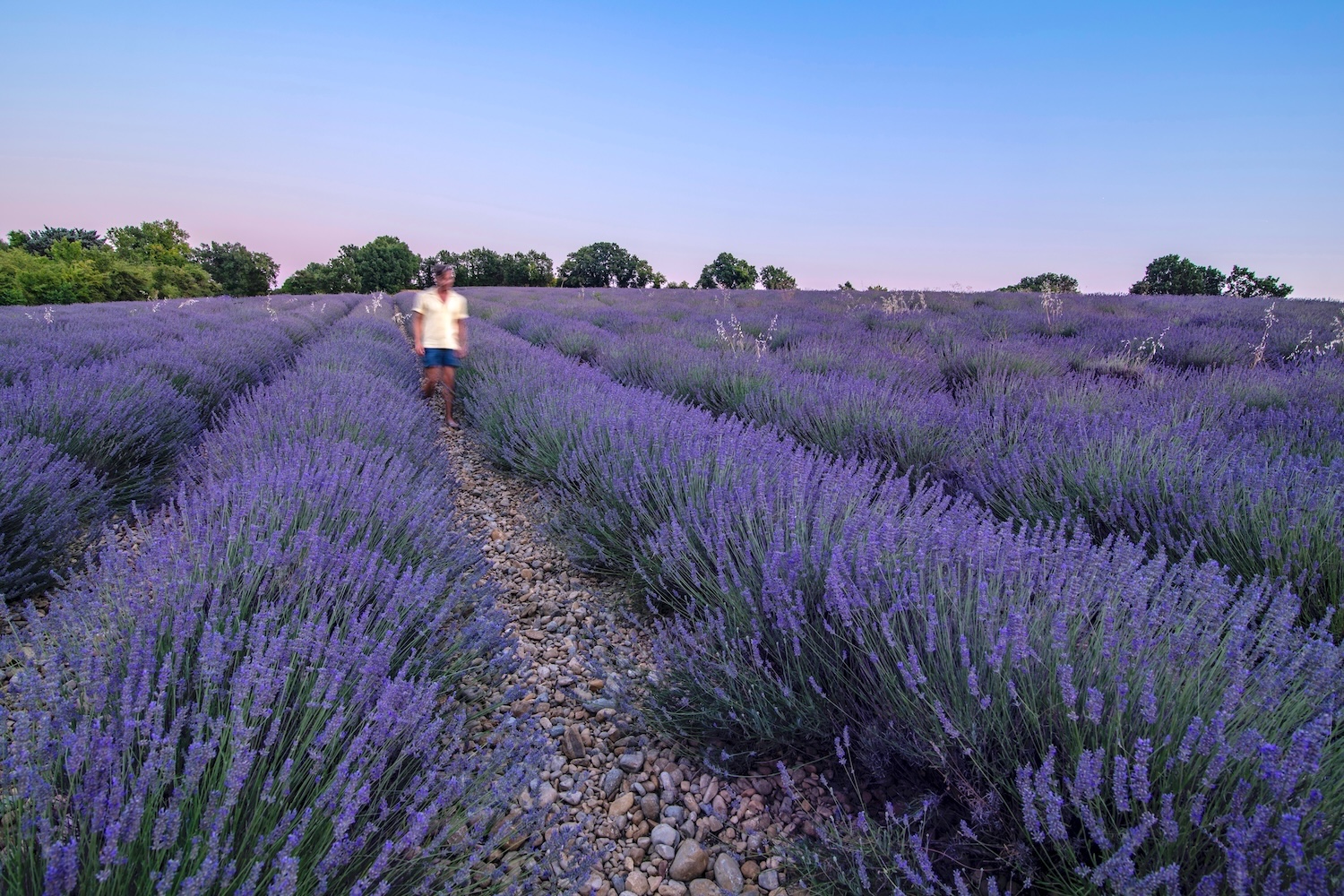
If your France itinerary takes place between about late June and early August, you’d really ought to include Provence in it. That’s because this is the season when the region’s famous lavender blooms. You can experience the beauty of this in cities like Arles and Avignon, where shipments of dried flowers literally perfume the streets, which are filled with papal palaces and Roman amphitheaters. Alternatively, sleep in picturesque guest houses on the Luberon, Sault or Valensole plateaus and spend time amid the fields of lavande themselves.
Nice, Marseille and the Côte d’Azur

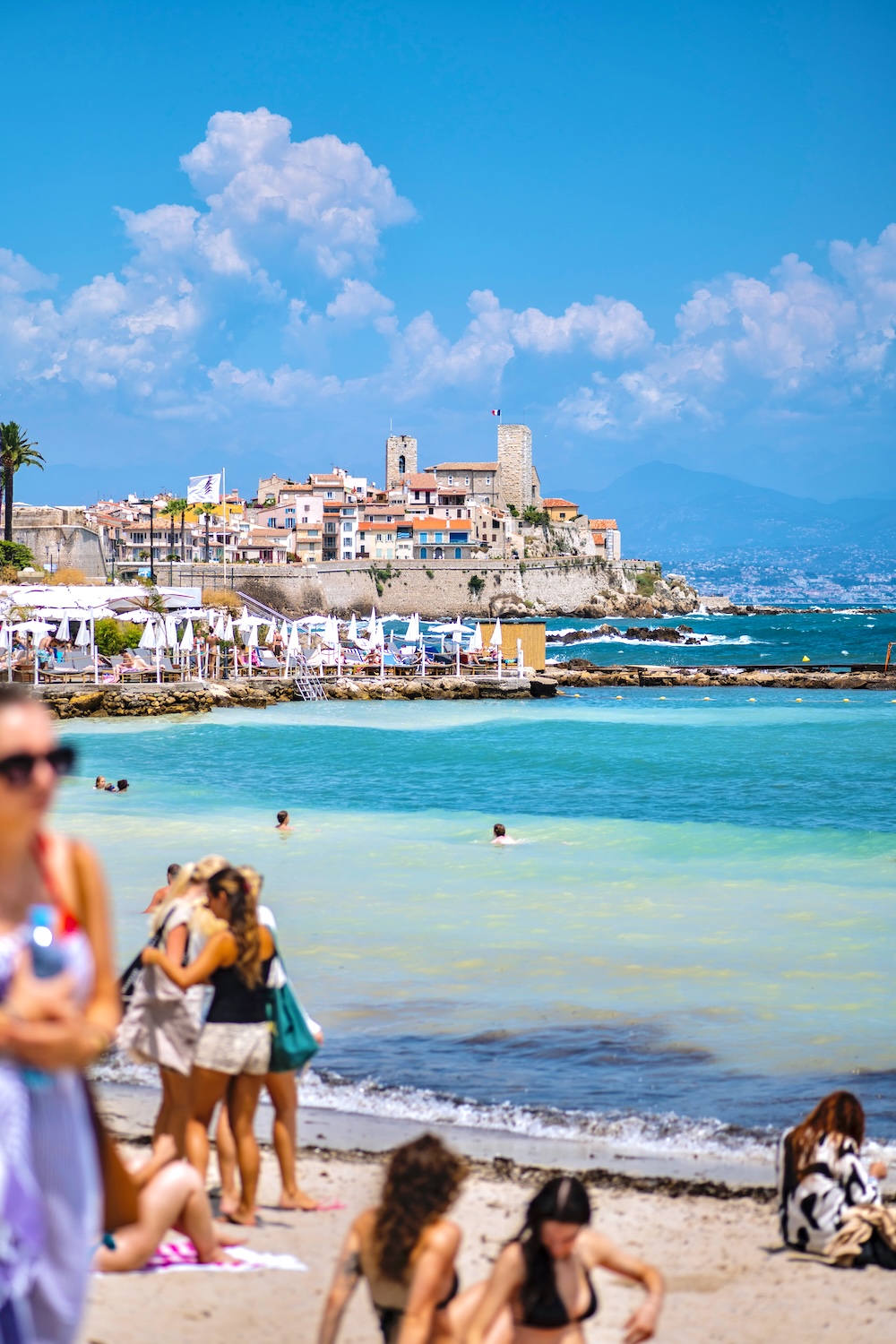


The good news? The beaches of France’s Côte d’Azur, also known as the French Riviera, more than live up to the hype. The bad news? It’s just such a huge region—you almost don’t know where to begin, or where to go once you do. Do you base yourself in gritty Marseille, or glitzy Nice? Do you day trip to nose-in-the-air destinations St. Tropez or Monaco, or choose beautiful spots like Antibes and Èze which, while stuck up in their own way, or at least a little bit more down-to-earth?
How Long Do You Need in France?
If I’m honest, two weeks is the minimum amount of time I would spend in France. In order to illustrate why, here’s a breakdown of how you can expect each sort of France trip to look:
- One week in France: 2-3 nights in Paris, plus 3-4 nights in one other destination, likely Bordeaux, or somewhere in Provence or along the Côte d’Azur.
- Two weeks in France: 2-3 nights in Paris, plus 3-4 nights each in 2-3 other destinations. I would suggest choosing Brittany or Normandy, Bordeaux, and one of the following: Lyon; Avignon or Valensole (the latter if it’s lavender season); Nice or Marseille.
- Three weeks in France: This is where you can take a very comprehensive trip to France. After 2-3 nights in Paris, you can head west to Brittany or Normandy, and spend 3-4 nights exploring both regions. You can then head south to Bordeaux for 3-4 nights, east to Lyon (for 2-3 nights there, including excursions to Burgundy and the French Alps) and split a week between Provence and the Côte d’Azur.
- One month in France: This is the ultimate trip to France. With a month, you can visit all of France’s major regions and cities, and maybe even be able to visit “special” destinations such as the island of Corsica. Or, rather than seeing them on day trips, you can actually spend the night in spots like Biarritz (in the French Basque Country) or Chamonix (in the French Alps).

Other FAQ About Visiting France
Is 2 weeks enough for France?
Two weeks is enough to see Paris and 2-3 other French destinations. However, if you have the time and resources, I highly recommend spending longer in France. A timeline of between 3-4 weeks is required for a truly comprehensive trip to France, one that will leave you feeling truly satisfied.
How much would 2 weeks in France cost?
Keeping in mind that I usually recommend a minimum of €200 per person per day for traveling in France, you can expect a two-week trip to France to cost around €3,000 per person, not including the cost of flights to and from Europe. You can get by a bit cheaper than this if you’re willing to stay in hostels or simpler guest houses; obviously, you can overshoot this by a basically unlimited amount if you’re a very high-end traveler.
Which month is best to visit France?
I personally love summer trips to France, whether to see lavender in Provence, or to hit the glamorous beaches of the Côte d’Azur when they’re at their most refreshing. However, France is a 365-day-per-year destination. You might prefer touring vineyards in Bordeaux or Burgundy during the harvest in September, skiing in Chamonix in January or February or visiting Paris in April when it feels like the whole city is in bloom.
The Bottom Line
The longer your France itinerary lasts, the better. The country is simply bigger than it looks on the map; unless you want to limit yourself to Paris and 1-2 other destinations, you should plan on spending three or even four weeks in France. On the other hand, of course, even the shortest trip to France is worthwhile—simply laying eyes upon the Eiffel Tower, or dipping your toes into the glistening Mediterranean will stay in your memory for a lifetime. No matter how long you end up staying in France, I hope you’ll commission a custom France itinerary. If you hire me, I’ll create a custom France itinerary for you, with personalized daily recommendations for activities, meals, accommodation and more!